
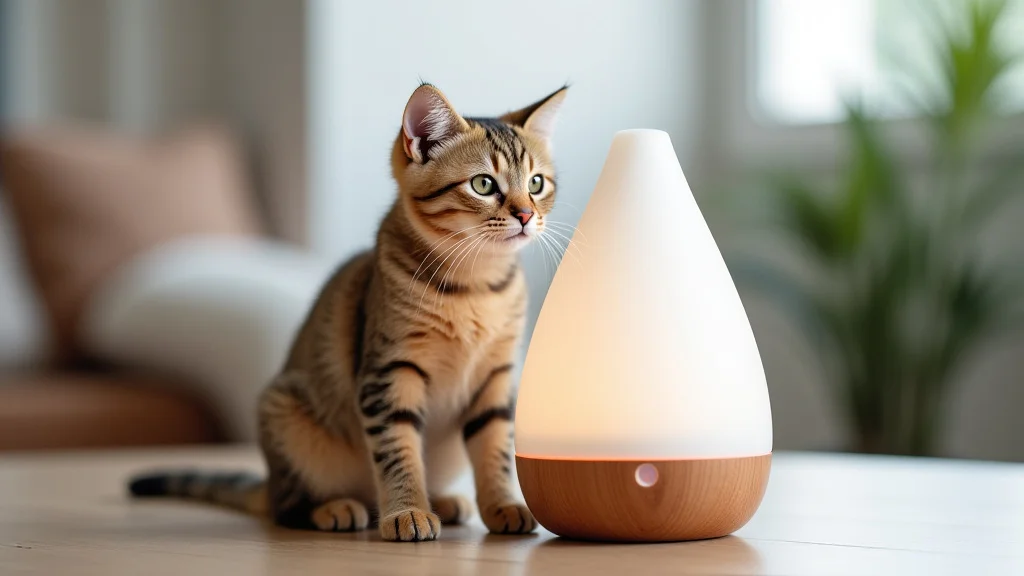
Picture this: you’ve created a cozy, relaxing atmosphere in your home with a beautiful aromatherapy diffuser, filling the air with calming scents. But then, your curious cat saunters in, twitching its whiskers, and you start to wonder, “Wait, is this safe for my furry friend?” Many cat owners aren’t quite sure about the safety of essential oils and their impact on pets. This post explores the ins and outs of are aromatherapy diffusers safe for cats, ensuring you can create a pleasant environment for both you and your cat. You’ll learn the potential risks, safe practices, and how to choose the right essential oils, increasing your knowledge and giving you peace of mind.
Key Takeaways
- Learn about the potential dangers that some essential oils pose to cats.
- Understand the specific essential oils that are considered safe and unsafe.
- Discover how to use diffusers safely around your feline companion.
- Find out what to do if your cat is exposed to harmful essential oils.
- Gain valuable information about alternative methods for calming your cat.
- Create a safe and enjoyable environment for both you and your cat.
The Risks of Essential Oils for Cats
Essential oils, while often beneficial for humans, can pose significant risks to cats due to their unique physiology. Cats lack a key liver enzyme necessary for efficiently metabolizing certain compounds found in essential oils. This means their bodies struggle to process and eliminate these substances, leading to potential toxicity. Inhaling, ingesting, or even absorbing essential oils through the skin can trigger adverse reactions. The severity of the reaction depends on the type and concentration of the oil, as well as the cat’s individual sensitivity.
Why Cats Are Vulnerable
Cats are particularly sensitive to essential oils because of their liver’s inability to efficiently break down the compounds. This is primarily due to a deficiency in the glucuronidation pathway, a critical process for detoxification. As a result, essential oils can accumulate in the cat’s system, leading to various health issues. The concentration of essential oils used and the cat’s exposure level are crucial factors in determining the potential health impact.
- Metabolic Differences: Cats have a limited ability to process certain compounds found in essential oils, leading to a build-up of toxins in their system. The glucuronidation pathway, vital for breaking down and eliminating harmful substances, functions differently in cats compared to humans.
- Inhalation and Absorption: Cats can experience health problems through inhalation from diffusers or absorption through the skin if they come into contact with essential oils. Diffusers convert the oils into tiny particles that cats can breathe in, directly affecting their respiratory systems.
- Ingestion Risk: Cats are skilled groomers, and they may ingest essential oils while grooming themselves, further increasing the risk of toxicity. Drooling, vomiting, and lethargy are common signs of ingestion.
The absence of certain liver enzymes means that essential oils take longer to process and clear from a cat’s body. The longer exposure time is an increased health risk.
Essential oils can penetrate the skin, especially if diluted incorrectly, and enter the bloodstream, causing potential liver or neurological damage. The absorption rate is affected by several factors.
Cats often groom themselves, and this can lead to them ingesting oils deposited on their fur, increasing the likelihood of adverse health effects. Any spill or direct contact with the oils can lead to ingestion.
Common Symptoms of Essential Oil Toxicity in Cats
Recognizing the signs of essential oil toxicity is vital for protecting your cat. Common symptoms include difficulty breathing, drooling, vomiting, coughing, and lethargy. You may also notice changes in your cat’s behavior, such as weakness, tremors, or an unsteady gait. Contacting a vet immediately is critical if you observe any of these symptoms.
- Respiratory Issues: Difficulty breathing, wheezing, and coughing are typical signs that the respiratory system is irritated. The inhalation of essential oil vapors can irritate a cat’s airways.
- Neurological Problems: Tremors, weakness, and an unsteady gait suggest that the nervous system has been affected. The neurological impacts of essential oil exposure can range from mild to severe, and they should be assessed by a veterinarian.
- Skin Irritation: Skin irritation, redness, and inflammation can happen when cats have direct skin contact with essential oils. This can lead to a cat licking the affected area.
Symptoms can vary depending on the specific oil and concentration. Any changes in breathing are a major cause for concern.
Exposure to essential oils can affect the brain and nervous system in cats, causing balance issues.
The extent of skin irritation often depends on the type of oil. The response can vary between cats.
Safe Essential Oils for Cats
While many essential oils are harmful to cats, some are considered safer when used with caution and in low concentrations. Consulting with a veterinarian is recommended prior to introducing any essential oil to your environment. Understanding the specific oils that pose lower risks can allow you to create a pleasant atmosphere without endangering your pet.
Recommended Essential Oils and Precautions
When using diffusers around cats, choose oils that are generally considered safer. Some oils might have a lower risk of toxicity. Always dilute the essential oils, and ensure your cat has ample space to avoid the diffused area. Continuous diffusion for long periods isn’t recommended. Proper ventilation is essential. Monitor your cat for any adverse effects after introducing a new oil.
- Chamomile (Roman): Roman chamomile is often considered a safe option. This oil is gentle and can have calming effects. However, use it with caution and watch your cat’s reaction.
- Frankincense: Frankincense is another essential oil that’s thought to be safe for cats. It can reduce anxiety in humans, and might also calm cats. Always dilute it properly.
- Lavender (in very diluted form): Lavender can be calming, but it must be used very carefully and in low concentrations. Some cats are sensitive to lavender. Always watch your cat closely.
Roman chamomile is often used for its calming properties. Its mild nature makes it a good option when diffused in low concentrations and with adequate ventilation.
Frankincense is generally well-tolerated when used sparingly. Many pet owners choose this essential oil for its subtle aroma and potential to alleviate stress.
Dilution is key when using lavender. Using a low concentration minimizes the risk of adverse reactions. Never apply undiluted lavender to your cat’s skin.
Dilution and Usage Guidelines
Proper dilution is critical when using essential oils around cats. Use a diffuser with an intermittent setting, and make sure the room is well-ventilated. Place the diffuser in a spot that your cat can easily avoid. Always introduce a new oil slowly. Keeping the cat’s health a top priority.
- Concentration: The concentration of essential oils in the air should be as low as possible when around cats. Use very few drops of oil. The goal is to create a subtle scent.
- Diffusion Time: Limit diffusion time to short intervals, such as 30 minutes to an hour. Short bursts can still provide benefits without continuous exposure, which could be risky for the cat.
- Room Ventilation: Ensure good ventilation in the room. This helps to disperse the essential oil vapors. A well-ventilated space helps to prevent the buildup of concentrated fumes.
Using less oil minimizes the risk of a reaction. This approach creates a safer environment. Always use a recommended dilution ratio.
Short diffusion intervals reduce the cat’s exposure. This provides a balance between the benefits of aromatherapy and the safety of the cat.
Open windows and doors to increase air circulation. Good ventilation helps to dissipate the essential oil vapors. This helps the cat.
Unsafe Essential Oils for Cats
Some essential oils are highly toxic to cats and should never be used in a diffuser if a cat is present. These oils can cause serious health problems, including liver damage, respiratory distress, and neurological issues. Knowing these oils and avoiding them is vital to keeping your cat safe.
Common Essential Oils to Avoid
Certain essential oils are known to be especially toxic to cats, and these must be avoided. These oils can lead to severe health consequences. Educating yourself about these oils is essential to creating a cat-safe environment.
- Tea Tree Oil: Tea tree oil is one of the most toxic oils for cats. It can cause skin irritation, weakness, and neurological problems. Even a small amount can be dangerous.
- Peppermint Oil: Peppermint oil can be harmful because of its high concentration of menthol. It can cause liver damage and breathing difficulties. Cats have a difficult time metabolizing menthol.
- Citrus Oils: Citrus oils, like lemon and orange, can be problematic. They can cause skin irritation, gastrointestinal upset, and in some cases, liver issues. Always err on the side of caution.
Tea tree oil is a common ingredient in many household products. Exposure can lead to severe health issues. Never use tea tree oil topically on cats.
Peppermint oil can cause vomiting, diarrhea, and in severe cases, liver damage. Avoid using peppermint oil in any form around cats.
The d-limonene in citrus oils can be irritating. Avoid these oils.
The Dangers of Topical Application
Never apply essential oils directly to a cat’s skin or fur. Cats groom themselves, and they may ingest the oils, which can lead to toxic effects. Inhaling the concentrated vapors can also be harmful. The best option is to keep essential oils out of reach of your cat.
- Ingestion Risk: Cats can ingest oils from their fur. This can lead to serious health problems. Grooming behavior in cats means that direct application of oils to the fur can cause a cat to ingest them.
- Skin Absorption: The skin can absorb essential oils, leading to potential toxicity. Direct skin contact allows the oil to enter the bloodstream. This can overwhelm the cat’s liver.
Ingestion of essential oils can lead to liver damage, respiratory distress, and neurological effects. Avoid any direct application to reduce this risk.
Skin contact causes more rapid absorption. Avoid any skin contact with essential oils for cats.
Alternative Methods for Calming Cats
If you’re looking for ways to calm your cat, there are many safe and effective alternatives to essential oils. These can create a relaxing environment without the risks associated with essential oils. These options can help reduce your cat’s stress levels.
Safe Calming Aids
Safe alternatives can calm your cat without the dangers of essential oils. Pheromone diffusers, catnip, and interactive play are safe for your pet. These alternative strategies are safe and well-tolerated. Always consult your veterinarian before introducing any new calming aid.
- Pheromone Diffusers: Feliway diffusers release synthetic feline pheromones. These mimic the natural pheromones that cats use to mark their territory, providing a sense of security and reducing stress.
- Catnip: Catnip contains nepetalactone, a compound that can induce feelings of euphoria and relaxation in most cats. It’s safe when used in moderation and can be a fun way to reduce stress.
- Interactive Play: Regular interactive play can help to alleviate stress. These activities provide mental stimulation and physical exercise. Make sure to schedule daily playtime with your cat.
Pheromone diffusers can help create a calming environment by signaling to the cat that the surroundings are safe. Many pet owners find this effective.
Catnip can provide a temporary boost in mood and energy levels. It can be offered as a treat or in toys.
Consistent playtime offers a way for cats to burn off energy and reduce stress. This can involve toys like wand toys or laser pointers.
Creating a Low-Stress Environment
Creating a low-stress environment is critical to your cat’s well-being. This includes providing plenty of hiding spots, using calming music, and maintaining a consistent daily routine. Consider these steps to enhance your cat’s quality of life and minimize stress levels.
- Hiding Spots: Providing hiding spots, like cat trees, cat beds, or boxes, helps cats feel safe and secure. These areas give your cat a place to retreat to when they feel overwhelmed.
- Calming Music: Many cats enjoy calming music specifically designed for them. It can help reduce anxiety and promote relaxation. Use instrumental music.
- Routine and Consistency: Cats thrive on routine. Maintain consistent feeding times, playtime, and grooming schedules. A reliable routine reduces stress and gives cats a sense of security.
Cats feel safer when they have access to private spaces. This reduces anxiety and helps create a comfortable home environment.
There are many apps and playlists of calming music. These tunes can contribute to a peaceful atmosphere.
A consistent routine can significantly reduce stress. This can positively impact your cat’s overall well-being.
Scenario: The Impact of Essential Oils
Consider two common scenarios where the use of essential oils can affect cats. These examples highlight the importance of safety measures.
-
Scenario 1: A cat owner uses a tea tree oil diffuser in their living room to eliminate odors. The cat, initially curious, spends time in the room. Within a few hours, the cat begins to drool excessively, show signs of weakness, and has trouble walking.
This is a typical example of tea tree oil toxicity. The cat’s liver may struggle to process the oil, leading to the observed health effects. Quick action is needed to minimize any damage.
-
Scenario 2: An owner wants to create a relaxing atmosphere in their bedroom. They diffuse a small amount of diluted lavender essential oil. They monitor their cat for any adverse effects. The owner notices no negative changes in the cat’s behavior.
This scenario shows a safe approach to using essential oils around cats. Dilution and careful observation are crucial to ensure that the environment is safe. It shows that some essential oils can be used if appropriate steps are followed.
Common Myths Debunked
Myth 1: All Essential Oils Are Safe If Diluted
Many people believe that diluting essential oils makes them safe for cats. However, the toxicity of some oils remains, regardless of the dilution. Certain essential oils, like tea tree oil and peppermint oil, are inherently unsafe for cats due to their chemical composition. Dilution can help reduce the concentration, but it does not eliminate the risk.
Myth 2: Cats Can Tolerate Essential Oils If They Are Used in Small Amounts
Some pet owners assume small amounts of essential oils are safe for cats. Although the risk can be lower with lower doses, the cumulative effect of constant exposure can still cause problems. The safety of a specific essential oil depends on the cat and the oil used. Exposure, even if low, can still lead to a reaction.
Myth 3: Cats Will Avoid Harmful Oils on Their Own
Cats are very curious, and they might not avoid essential oils. Cats explore their surroundings, and they might come into contact with oils. Also, cats are drawn to new scents. It’s up to owners to create a safe environment and remove any potential hazards.
Frequently Asked Questions
Question: Can I use essential oil diffusers in a room where my cat spends time?
Answer: It depends on the type of essential oil. Some are safer than others. It is best to avoid using essential oils in a room where your cat spends a lot of time. If you use essential oils, make sure the area is well-ventilated, and your cat has an easy exit.
Question: What should I do if my cat shows signs of essential oil toxicity?
Answer: If your cat shows any signs of toxicity, like drooling, vomiting, or difficulty breathing, immediately contact your veterinarian or animal poison control. Provide details about the type of oil used and how long your cat was exposed.
Question: Are there any essential oils that are completely safe for cats?
Answer: No essential oils are entirely risk-free. Some, such as Roman chamomile and frankincense, are considered safer when used in very diluted form and with caution. Always monitor your cat for any adverse reactions.
Question: How can I safely introduce essential oils into my home if I have a cat?
Answer: If you wish to use essential oils, use them with caution and proper ventilation. Make sure your cat can easily avoid the area where the diffuser is. Start with low concentrations and monitor your cat for any adverse reactions.
Question: What are the symptoms of essential oil poisoning in cats?
Answer: Symptoms include drooling, vomiting, difficulty breathing, coughing, lethargy, tremors, and weakness. It’s essential to watch your cat closely if you suspect essential oil exposure.
Final Thoughts
Exploring the relationship between are aromatherapy diffusers safe for cats requires careful consideration of both the potential hazards and responsible usage practices. While the allure of essential oils is undeniable, it’s vital to prioritize the safety and well-being of your feline friend. Always research oils thoroughly, using options like Roman chamomile and frankincense in very low concentrations if necessary, and consulting a vet to find out the best options for your particular cat. Understanding which essential oils to avoid and how to recognize signs of toxicity is crucial for a healthy and safe environment. Consider using safer alternatives, such as pheromone diffusers or interactive play, to create a relaxing space for your cat. By adopting safe and informed practices, you can create a pleasant and healthy home for both you and your beloved pet. Protecting your cat’s health is the most important thing.