
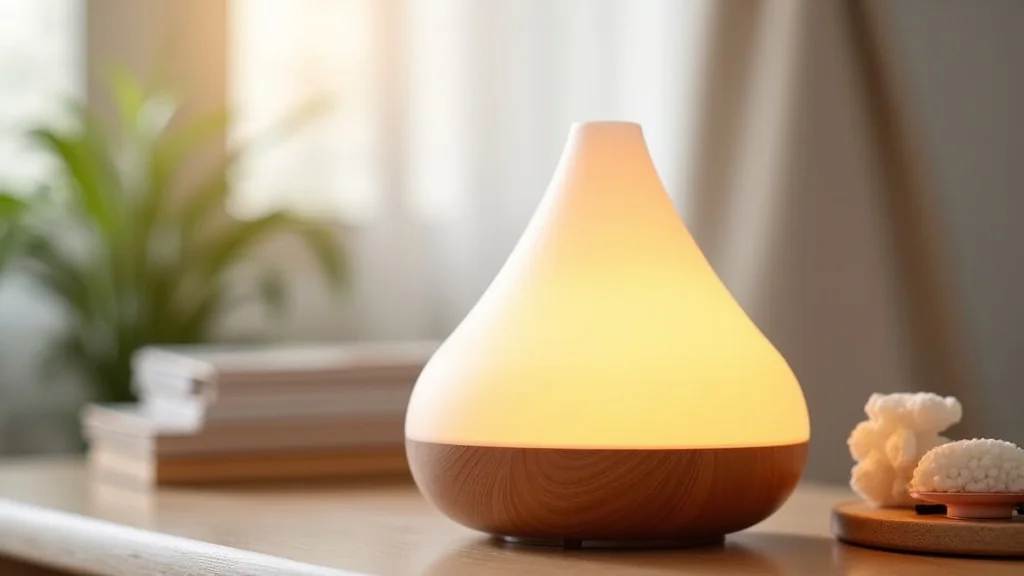
Picture this: you’ve had a long day, the kind where everything seems to go wrong. You walk through the door, and instead of the usual hum of daily life, you’re greeted by a gentle, soothing aroma. That’s the power of an aromatherapy diffuser at work. It’s more than just a pleasant scent; it’s a gateway to relaxation and improved well-being. This post explores the many aromatherapy diffuser uses, helping you discover how these devices can transform your home into a sanctuary. You’ll gain a thorough exploration of the diverse applications of diffusers and insights into maximizing their benefits, improving your time on page and reducing your bounce rate.
Key Takeaways
- Aromatherapy diffusers offer a versatile way to introduce essential oils into your environment.
- They can be used to promote relaxation, reduce stress, and improve sleep quality.
- Diffusers can also help purify the air and create a more pleasant atmosphere.
- There are different types of diffusers with various features and benefits.
- Understanding the proper oils and usage guidelines enhances your experience.
- Incorporating diffusers into your routine can significantly improve your overall well-being.
Unveiling the Benefits of Aromatherapy Diffuser Uses
Aromatherapy diffusers are increasingly popular, and for good reason. They are not merely air fresheners; they are tools designed to gently disperse the therapeutic benefits of essential oils throughout a space. From improving air quality to easing stress, the applications are numerous. This section explores the vast scope of aromatherapy diffuser uses, examining how they operate, the variety of benefits they bring, and how you can seamlessly incorporate them into your daily life for a healthier and more balanced existence.
How Aromatherapy Diffusers Work
At their core, aromatherapy diffusers are designed to convert essential oils into a fine mist that spreads throughout a room. The method employed can vary, but the purpose remains consistent: to release the therapeutic compounds of the oils into the air for inhalation and potential absorption. Each type uses a unique technique to achieve this, from ultrasonic vibrations to heat-based methods, each with its own set of advantages. The mechanisms are engineered to maintain the integrity of the essential oils, ensuring that their beneficial qualities remain intact. This technology provides a safe and effective way to experience the benefits of aromatherapy.
- Ultrasonic Diffusers: These diffusers use high-frequency vibrations to break down essential oils into micro-particles, which are then released as a cool mist. This method is generally considered safe and effective, preserving the oil’s properties without heat.
- Nebulizing Diffusers: These diffusers use air pressure to atomize the essential oil, creating a fine mist without water or heat. This method produces a stronger aroma and is ideal for those who prefer more concentrated aromatherapy.
- Heat Diffusers: These diffusers use gentle heat to evaporate essential oils. However, this method can slightly alter the chemical composition of the oils, so they are less common and often require more care in their use.
- Evaporative Diffusers: These diffusers use a fan to blow air across an absorbent pad or filter saturated with essential oil, causing the oil to evaporate. The scent is often less potent than with other methods.
Ultrasonic diffusers utilize ultrasonic vibrations to create a fine mist from essential oils and water. The process begins with a small amount of water being placed in the diffuser’s reservoir, typically along with a few drops of essential oil. An ultrasonic plate, a small disc at the bottom of the reservoir, then vibrates at an extremely high frequency. These rapid vibrations generate ultrasonic waves that break the water and oil mixture into tiny, microscopic particles. These particles are then dispersed into the air as a cool, fine mist, carrying the scent and therapeutic properties of the essential oils with them. This process is energy-efficient and doesn’t involve heat, ensuring that the essential oils are not altered or degraded by the process. As a result, ultrasonic diffusers are often praised for their ability to maintain the purity and potency of essential oils while providing a gentle, room-filling fragrance.
Nebulizing diffusers, also known as atomizer diffusers, operate on a different principle than ultrasonic devices. They do not use water and are designed for pure essential oil diffusion. These diffusers use an air pump to push air through a small tube, atomizing the essential oil. As the air passes, it creates a vacuum that draws the essential oil up and breaks it into tiny, breathable particles. The process does not use heat, so the oils retain their therapeutic properties. Nebulizing diffusers are often preferred for their ability to deliver a potent and concentrated aroma, making them suitable for larger areas or for users who want a stronger scent experience. Due to their operation, they can sometimes be louder than other types of diffusers.
Heat diffusers gently warm essential oils to release their fragrance. These diffusers use a small heating element to raise the temperature of the oil, causing it to evaporate and spread into the air. However, the application of heat can, to some degree, impact the therapeutic properties of the oils by altering their chemical structure. They tend to produce a more intense aroma and can be a cost-effective choice. It is important to monitor the heating process to prevent overheating, which could degrade the oil’s quality. This method is considered less optimal for preserving the complete therapeutic benefits of the essential oils.
Evaporative diffusers use a simple approach to disperse essential oils into the air. They usually consist of a pad or filter that absorbs essential oil, and a fan to blow air across the pad. As the air passes over the oil-soaked pad, it carries the scent into the room, creating a less intense aroma compared to other types of diffusers. Evaporative diffusers are often portable and can be a good option for small spaces or for individuals who prefer a lighter scent. They are often affordable and easy to maintain, making them an excellent choice for a wide variety of users. The fan helps the oil’s molecules move through the air, creating a fresh, subtle experience.
Factors for Choosing a Diffuser
Selecting the right diffuser requires consideration of several factors to ensure it meets your specific requirements and preferences. Think about the size of the room, the scent intensity you desire, and features such as timers and auto-shutoff functions, as they add convenience and safety. These choices directly affect your experience and the benefits you can derive from using essential oils. Consider the cost, ease of maintenance, and the overall design to make the best choice.
- Room Size: Consider the area you wish to fill with fragrance. Smaller diffusers are ideal for bedrooms and offices, while larger models work well in open living spaces.
- Diffuser Type: Different types, such as ultrasonic, nebulizing, or evaporative, offer varying strengths and features. Ultrasonic diffusers are generally quieter and suitable for most uses, while nebulizing diffusers are best for more potent aromas.
- Features: Look for features like timer settings, auto-shutoff functions, and LED lights, as they enhance usability and safety.
- Maintenance: Assess the ease of cleaning and maintenance. Regular cleaning is essential to keep your diffuser working efficiently.
When selecting an aromatherapy diffuser, the size of the room is a prime factor to consider. If the diffuser is too small for the space, the scent will be weak, and the benefits of the essential oils will be diminished. A smaller room, such as a bedroom or a small office, requires a compact diffuser that efficiently disperses the scent throughout the area. A larger model is more suitable for bigger spaces, such as living rooms or open-plan areas. These typically boast a higher capacity and stronger dispersal capabilities to ensure that the aroma reaches all corners of the room. Knowing the square footage of the room where you intend to use the diffuser will significantly help in choosing the right one.
Choosing the type of diffuser impacts its effectiveness and the experience. Ultrasonic diffusers are the most common, known for being easy to maintain. Nebulizing diffusers, which do not use water, tend to deliver a concentrated aroma and are best suited to those who want a strong, immediate scent. Heat diffusers can alter the oils, so it is important to take this into account. Evaporative diffusers often offer a lighter scent and are suitable for smaller spaces or for those who appreciate a less powerful aroma. Consider your scent preferences, the intensity you want, and any specific requirements, such as noise levels or the need for a water reservoir.
Consider features that will enhance your experience. A built-in timer can be set to operate the diffuser for a specific duration, while an auto-shutoff function is especially useful for safety and energy conservation. LED lights can also add to the ambiance. Some models provide multiple light settings, contributing to a more relaxing environment. Consider how you intend to use the diffuser and the features that will be most useful to you. These additions add to the overall convenience and allow you to customize your aromatherapy experience.
Ease of cleaning and maintenance should be a high priority, as this directly affects the lifespan and effectiveness of the device. Ultrasonic diffusers, for example, require regular cleaning to prevent the buildup of residue from essential oils, which can reduce efficiency and the quality of the mist. Some models are easier to disassemble and clean than others, making this task simpler. Follow the manufacturer’s directions for cleaning, which usually involves wiping down components with a soft cloth and, in some cases, using mild soap. Choosing a diffuser that is easy to maintain helps ensure that you can enjoy its advantages without the hassle of a complex upkeep process.
Maximizing Your Aromatherapy Experience
Making the most of your aromatherapy diffuser uses involves more than just plugging in the device and adding essential oils. It requires a thoughtful approach to selecting the right oils, understanding optimal usage times, and being mindful of your environment. This practice includes knowledge of safety precautions and exploring methods to elevate your experience.
- Choosing the Right Essential Oils: Different oils offer varying benefits. Lavender for relaxation, eucalyptus for respiratory support, and peppermint for energy are just a few examples.
- Usage Duration: Operate your diffuser for 30-60 minutes at a time, allowing for a break in between to prevent overexposure.
- Placement and Environment: Position your diffuser on a stable surface, away from direct sunlight and drafts, to maximize its effectiveness.
- Safety Precautions: Always follow the manufacturer’s instructions for your diffuser. Keep essential oils out of reach of children and pets. Do not ingest essential oils, and always dilute them before topical use.
The choice of essential oils is a cornerstone to the benefits you derive from your diffuser. Different oils have different properties and are suited to various needs. Lavender is renowned for its relaxing qualities, making it ideal for promoting better sleep and reducing anxiety. Eucalyptus is well known for its ability to clear the sinuses, offering relief from respiratory problems. Peppermint is recognized for its energizing effect, perfect for boosting focus. Other options include lemon (uplifting), tea tree (purifying), and frankincense (grounding). Before choosing, research each oil’s properties and choose blends that align with your desired outcome, whether relaxation, focus, or an uplifting ambiance.
Managing the duration of your diffuser use is crucial for safety and effectiveness. Running a diffuser for too long can lead to overexposure to essential oils, potentially causing headaches or nausea in sensitive individuals. As a general guideline, it is usually advisable to operate your diffuser for between 30 and 60 minutes at a time, followed by a break. This allows you to benefit from the oils’ effects without overdoing it. Adjust the duration and frequency based on your personal tolerance and the specific oils you are using. Remember to regularly ventilate the room by opening windows to ensure that fresh air is circulating, especially after the diffuser is switched off.
Where you place your diffuser and the ambient environment can directly impact its performance and the quality of your aromatherapy session. Ensure that the diffuser is placed on a stable, level surface where it won’t be easily knocked over. Keep the diffuser away from direct sunlight, which can degrade the essential oils. Avoid placing it near drafts, which can reduce the dispersal of the mist. Additionally, consider the size of the room and choose a spot that ensures even distribution of the aroma. Consider factors like airflow and the materials in your space, as these can affect how effectively the scent carries through the area. A well-considered placement setup can improve the benefits of your experience.
Prioritizing safety is essential when using a diffuser and essential oils. Always follow the manufacturer’s instructions for your diffuser model. Store essential oils safely and out of the reach of children and pets to prevent accidental ingestion or misuse. Never ingest essential oils, as they are highly concentrated and can be toxic if consumed internally. If you plan to apply essential oils topically, always dilute them with a carrier oil, such as jojoba or almond oil, to minimize the risk of skin sensitivity. Moreover, be aware of any potential sensitivities or allergies you or anyone else in your household may have to certain oils and discontinue use if adverse reactions occur. By exercising these precautions, you can use aromatherapy safely and effectively.
Diverse Aromatherapy Diffuser Uses and Benefits
The applications of aromatherapy diffusers extend far beyond simply creating a pleasant scent. They offer a host of therapeutic benefits that can significantly impact both your physical and emotional well-being. From helping to reduce stress and anxiety to improving sleep quality, the impact is comprehensive. This section investigates the multifaceted ways in which diffusers can be incorporated into your daily routine to enhance your well-being.
Promoting Relaxation and Stress Relief
One of the most well-known aromatherapy diffuser uses is promoting relaxation and relieving stress. The aromatic compounds of specific essential oils can interact with the limbic system, the part of the brain responsible for emotions, memories, and arousal, to induce a calming effect. The ability to create a peaceful environment at home can be beneficial in today’s often stressful society, providing a sanctuary. Through the careful selection and use of essential oils, diffusers allow you to create a haven where your mind and body can unwind.
- Oils for Relaxation: Lavender, chamomile, and bergamot are excellent choices for reducing anxiety and promoting relaxation.
- Creating a Calming Atmosphere: Use your diffuser in a quiet space, such as a bedroom or reading nook, to create a sense of calm.
- Complementing Other Practices: Combine aromatherapy with meditation, yoga, or deep breathing exercises to amplify relaxation.
Several essential oils are recognized for their relaxing properties, making them ideal for promoting stress reduction and well-being. Lavender is arguably the most recognized for its calming effect; it can ease anxiety and foster a sense of tranquility. Chamomile is also widely praised for its ability to calm nerves. Bergamot, a citrus-based oil, often brings with it the benefits of relaxation. When selecting oils for relaxation, consider the individual’s preferences, as responses to scents can be personal. Experimenting with different oils and combinations of oils will help you find the optimal blend to support your relaxation and to transform your home into a tranquil retreat.
To maximize the relaxation benefits of your diffuser, you should position it in a quiet, peaceful space such as a bedroom or a dedicated reading nook. These settings promote a heightened sense of tranquility and allow you to fully experience the effects of the essential oils. The placement should ensure that the aroma permeates the area, creating an atmosphere that encourages you to unwind. Turning off distractions, such as television or the phone, can further enhance the experience. By creating such a setting, you’ll optimize the experience and help encourage feelings of calm and peace.
To improve your relaxation practices, combine aromatherapy diffuser uses with meditation, yoga, or deep breathing exercises. Essential oils can support these practices by enhancing mindfulness and promoting a state of calm and focus. The use of oils like lavender or chamomile, for example, can make meditation more effective. Similarly, incorporating aromatherapy while practicing yoga can deepen your experience by cultivating a tranquil environment that improves flexibility and focus. The combination provides a holistic approach to stress reduction and overall well-being. The synergy between aromatherapy and these other practices increases the effects of each, leading to a much improved state of relaxation.
Enhancing Sleep Quality
Poor sleep is a pervasive issue, but aromatherapy can offer a natural path to improve sleep. By utilizing specific essential oils that promote relaxation and ease stress, diffusers help create a supportive sleep environment. They are a practical addition to your bedtime routine, contributing to more restful, rejuvenating sleep. The benefits of improved sleep extend beyond simply feeling more rested; they also improve your overall health.
- Oils for Sleep: Lavender, cedarwood, and valerian are known to improve sleep quality.
- Creating a Bedtime Routine: Incorporate your diffuser into a consistent bedtime routine for enhanced effectiveness.
- Addressing Sleep Issues: Aromatherapy can also help with issues like insomnia or restless sleep, but it should not replace medical advice.
Certain essential oils have properties that promote sleep, making them ideal for use in a diffuser before bed. Lavender is a time-tested remedy for sleep, proven to lower anxiety and encourage relaxation. Cedarwood has a calming effect, creating a sense of peace that is supportive for sleep. Valerian root oil can also greatly improve sleep. Incorporating one or more of these oils into your bedtime routine can help you to unwind and prepare for a night of deeper, more restful sleep. Experiment with different combinations to discover what works best for your individual needs and preferences.
Establishing a consistent bedtime routine that includes your diffuser can greatly improve its effectiveness in promoting sleep. This can involve using the diffuser for 30 minutes to an hour before you go to bed, paired with other relaxing practices such as reading, taking a warm bath, or practicing deep breathing. A consistent routine signals to your body that it is time to wind down and prepare for sleep, which can lead to better sleep quality over time. Maintain this routine every night, even on weekends, to regulate your sleep-wake cycle and improve your overall sleep hygiene. The result is better sleep.
Aromatherapy, specifically the use of diffusers and essential oils, may support sleep issues. Certain essential oils can help mitigate symptoms such as insomnia or restlessness. Lavender and chamomile, for instance, are known to relax and reduce tension, promoting a feeling of calm. If you have any significant sleep issues, always seek professional medical advice. Aromatherapy can complement treatments. It is not intended to take the place of professional medical advice or prescribed medications. Always discuss the use of essential oils with your doctor, particularly if you have underlying health conditions or are taking medication.
Improving Air Quality and Creating a Pleasant Environment
One of the less-obvious benefits of aromatherapy diffusers is their ability to improve the quality of the air you breathe. Some essential oils have natural antimicrobial properties, helping to cleanse the air and reduce the presence of airborne pathogens. Furthermore, they are a powerful means of creating a pleasant and inviting atmosphere, eliminating musty odors and adding a layer of comfort to your space. The advantages extend from improved physical health to emotional well-being.
- Purifying the Air: Certain essential oils, like tea tree and eucalyptus, can help eliminate airborne bacteria and viruses.
- Eliminating Odors: Diffusers can neutralize unpleasant smells, leaving your home smelling fresh and clean.
- Creating a Pleasant Ambiance: Choose essential oils that match your mood and the desired atmosphere, whether it’s invigorating or relaxing.
Some essential oils boast natural antimicrobial properties, which make them effective in cleansing the air in your home. Tea tree oil, known for its antibacterial and antiviral properties, can help eliminate airborne pathogens. Eucalyptus oil is known for its ability to clear the sinuses. When diffused, these oils help to reduce the presence of airborne bacteria and viruses, which helps to improve air quality and create a healthier environment. This is especially beneficial during times of illness or when you are looking to promote a healthy indoor atmosphere. Incorporating these oils into your routine helps to clean the air, providing you with a cleaner, fresher environment.
Diffusers are helpful in eliminating odors, contributing to a fresher and cleaner environment in your home. Essential oils possess natural properties that can neutralize or mask unwanted smells, whether from pets, cooking, or general household odors. Citrus oils such as lemon or grapefruit are effective at cutting through stagnant air, while essential oils like peppermint or rosemary can help to refresh a room. By dispersing these oils, diffusers help to remove unpleasant smells and
Essential oils allow you to create an environment that fits your mood, whether you prefer something invigorating or relaxing. For a boost, choose citrus oils like grapefruit or lemon, which are known to enhance energy and uplift the spirits. For a tranquil setting, consider using lavender or chamomile to create a calming ambiance. You can tailor your atmosphere based on the mood. Experimenting with different oil combinations allows you to create unique scent profiles, further refining your experience. This is especially helpful in customizing the atmosphere in different rooms of your house, depending on their intended use and the time of the day. The result is an environment you’ll enjoy.
Common Myths Debunked
As with many wellness trends, there are some misconceptions surrounding aromatherapy diffusers. Separating fact from fiction helps in informed and safe usage. This section addresses some of the most widespread myths, helping to provide accurate information.
Myth 1: All Diffusers Are the Same
The reality is that various diffusers use diverse technologies, such as ultrasonic, nebulizing, and evaporative, each with varying efficiency and advantages. Some produce a cooler mist, while others offer a more intense aroma. This variability highlights the importance of choosing a diffuser best suited to your needs.
Myth 2: Aromatherapy Diffusers Are Only for Relaxation
While known for their benefits in relaxation, aromatherapy diffusers have a broad spectrum of uses. They can also improve focus, uplift mood, boost energy, and help purify the air. Different essential oils have different properties, opening up a range of possibilities beyond stress reduction, allowing you to tailor the experience to a specific goal.
Myth 3: More Essential Oil Means Better Results
More essential oil does not equate to better results. Overuse can cause headaches, nausea, or sensitivity. The ideal is to follow recommended guidelines and to adjust the amount of oil used to your tolerance levels. Always dilute essential oils before topical use.
Myth 4: Essential Oils Are Safe for Everyone and Every Pet
Essential oils are generally safe. However, sensitivities can vary. Some oils are toxic to pets. It is essential to research the properties of specific oils and use them with caution, particularly with children and pets. Always consult with a veterinarian before introducing aromatherapy to a pet.
Myth 5: All Essential Oils Are the Same Quality
The quality of essential oils can vary significantly. Factors, such as the source of the plant, extraction method, and storage practices, affect purity and effectiveness. Always source oils from trusted brands known for their commitment to quality and purity. Poor-quality oils may not deliver the anticipated benefits and can even lead to adverse reactions.
Frequently Asked Questions
Question: Can I use tap water in my aromatherapy diffuser?
Answer: It’s generally best to use distilled or purified water to prevent mineral buildup and extend the life of your diffuser. Tap water contains minerals that can clog the device.
Question: How often should I clean my diffuser?
Answer: Clean your diffuser after every use or at least once a week to prevent the buildup of residue from essential oils. Frequent cleaning also improves performance.
Question: Are essential oils safe to use around pets?
Answer: Some essential oils are toxic to pets. Research the oils you intend to use and consult with your veterinarian before using a diffuser if you have pets.
Question: How can I select the right essential oil for my needs?
Answer: Research the properties of various essential oils. Consider your desired outcome (relaxation, energy, etc.) and choose oils that match. Consult an expert if needed.
Question: Is it safe to leave a diffuser running all night?
Answer: It’s generally not recommended to leave a diffuser running all night unless it has a timer and auto-shutoff feature. Prolonged use can cause overexposure to essential oils.
Final Thoughts
Aromatherapy diffuser uses are vast, offering a natural and versatile way to enhance well-being. From easing stress and improving sleep to purifying air and creating a more pleasant atmosphere, these devices provide a range of benefits that can easily fit into your lifestyle. By selecting the correct diffuser, choosing the right essential oils, and following safety guidelines, you can build a more peaceful and healthy living space. Explore different oils and create custom blends that match your needs. Embrace the power of aromatherapy to transform your home into a sanctuary of wellness, promoting relaxation and overall balance.