
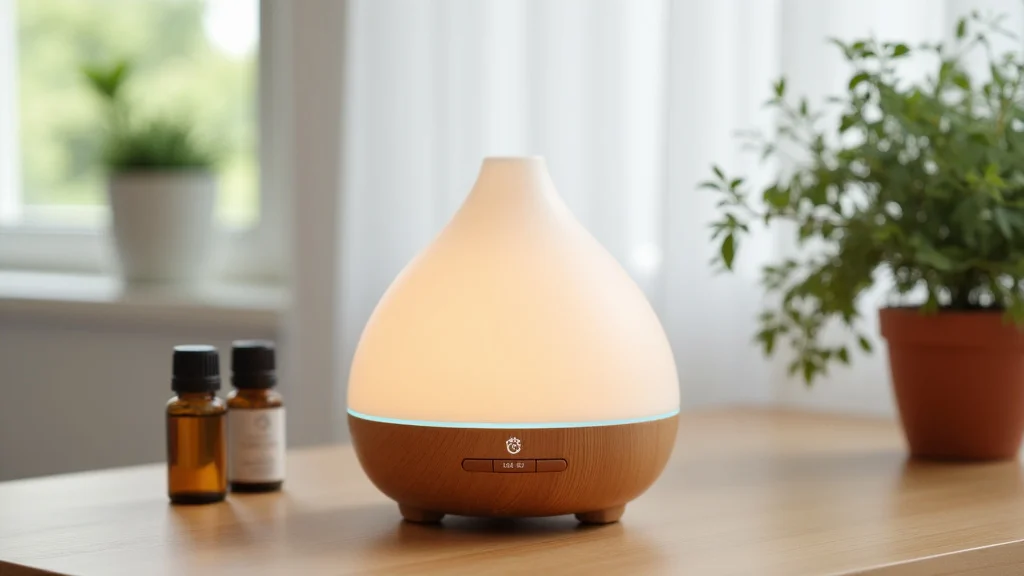
Picture this: a cozy evening, soft lighting, and a gentle, soothing aroma filling your home. You’ve probably seen ads or heard whispers about the benefits of essential oil diffusers, promising relaxation and a better mood. But, do they really deliver on these promises? This post explores the science behind these devices, examining how they function and exploring their potential impact on your well-being. By the end, you’ll have a clear picture of whether do essential oil diffusers work, the types of benefits you might expect, and how to best use them.
Key Takeaways
- Essential oil diffusers work by dispersing tiny particles of essential oils into the air.
- The effectiveness of diffusers depends on the quality of the oils and the type of diffuser used.
- Diffusers can potentially affect mood and may provide some aromatherapy benefits.
- There are various types of diffusers, each with its own pros and cons in terms of effectiveness and coverage.
- Proper use and maintenance are necessary to ensure the diffuser’s functionality and avoid hazards.
- Safety precautions and choosing the correct oils are essential for maximizing the benefits.
How Essential Oil Diffusers Work
Essential oil diffusers are devices designed to disperse essential oils into the air, creating a scented atmosphere. They accomplish this through various mechanisms, which can influence how well the oils are spread and how their therapeutic properties are delivered. The method of diffusion greatly impacts the effectiveness of the oil’s aroma and the potential health benefits it offers. Choosing the right diffuser is key to getting the most out of your essential oils. The way a diffuser atomizes oils is essential for maximizing its potential benefits.
Types of Diffusion Methods
Different types of diffusers use distinct methods to disperse the oils. Each has its advantages and disadvantages concerning efficiency, coverage area, and the preservation of oil properties. The method impacts how the oil particles interact with the air, influencing the aroma’s strength and the potential therapeutic effects. The diffuser you select will affect the quality of the essential oil’s experience, so understanding your options is necessary. Selecting the correct type of diffuser ensures the effective distribution of essential oils.
- Nebulizing Diffusers: These diffusers use compressed air to break down essential oils into very fine particles, creating a strong and pure scent. They do not use water, which means the oil is not diluted, and the aroma remains intense. Nebulizing diffusers are known for their efficiency in maintaining the oil’s properties. However, these are often the noisiest and may require more maintenance than other types.
- Ultrasonic Diffusers: These are the most common type, utilizing ultrasonic vibrations to break down a mixture of water and essential oil into a fine mist. The mist then releases the aroma into the air, also humidifying the space. These diffusers are generally quieter and more energy-efficient than nebulizing diffusers, making them a popular choice for bedrooms and offices.
- Heat Diffusers: These diffusers use heat to evaporate the essential oil. The oil is usually placed on a pad or in a small well, which is then heated to release the aroma. While heat diffusers are simple to use and affordable, they can alter the chemical composition of the oils, potentially reducing their therapeutic benefits.
- Evaporative Diffusers: These use a fan to blow air through an absorbent pad or filter that has essential oil on it. As the air passes through, it picks up the oil’s aroma and disperses it into the room. Evaporative diffusers are easy to use and can provide a good scent throw, but the aroma can sometimes be weaker than other types of diffusers.
Nebulizing diffusers are often prized for their ability to deliver a potent and undiluted aroma. By directly atomizing the oil, they preserve its full therapeutic potential. The intense scent produced by these devices makes them a good choice for larger spaces. Regular cleaning, however, is a must.
Ultrasonic diffusers offer the advantages of both aromatherapy and humidification, making them perfect for creating a comfortable environment. The addition of water dilutes the essential oils, which can also reduce the intensity of the scent. Easy maintenance and quieter operation makes them ideal for daily use.
Heat diffusers provide a simple and inexpensive option for diffusing essential oils, but the heat can also degrade the oil’s quality. Some might find that they are not as effective at maintaining the oil’s properties. Using heat diffusers also means one has to be more careful, so as not to damage the oils by overheating them.
Evaporative diffusers are perfect for small spaces because of their simplicity and ease of use. They require less maintenance. However, the fan can sometimes be noisy. The effectiveness of these types of diffusers is also less consistent because the aroma fades as the oil evaporates.
Factors Affecting Diffusion
Many factors influence how well an essential oil diffuser works. The type of diffuser, the quality of the essential oil, the size of the room, and even the surrounding air conditions all play a role. These factors influence the performance, the longevity of the aroma, and its effects. Knowing these influences will help you customize your aromatherapy experience to get the best results.
- Type of Diffuser: The type of diffuser largely determines the efficacy of oil diffusion. Nebulizing diffusers offer a concentrated scent, while ultrasonic diffusers provide a gentle mist, and evaporative diffusers are less intensive.
- Oil Quality: The quality of the essential oil is very important. Pure, high-quality essential oils contain the compounds responsible for the aroma and therapeutic benefits. Using diluted or synthetic oils will reduce their effectiveness and may not produce the desired effects.
- Room Size and Ventilation: The size of the room and its ventilation affect how the aroma spreads and lingers. A smaller room will allow the scent to fill the air more quickly and intensely, while a large room may require more oil or a more powerful diffuser.
- Humidity and Temperature: Environmental conditions can also influence how well a diffuser works. High humidity and high temperatures can make the scent feel stronger, while dry air can make the aroma fade faster.
Different types of diffusers have varying methods of dispersing essential oils into the air. Nebulizing diffusers, for example, are known for their intensity but can be noisier. Ultrasonic diffusers are quieter and also humidify the air, while heat diffusers are inexpensive but may alter the oil’s chemical composition. The choice greatly influences the user experience.
Using the highest quality oils maximizes the potential benefits of the essential oils, and the strength of the aroma. Purity and the methods used to obtain the oils impact the therapeutic quality. Make sure your oils are sourced from a reputable provider.
Airflow influences the distribution and the duration of the scent. Proper airflow allows the scent to spread evenly. Poor airflow can cause the aroma to concentrate in certain areas. It’s essential to consider these factors to maximize the benefits and adjust oil diffusion accordingly.
The optimal performance of diffusers depends on environmental conditions. Temperature and humidity can significantly alter the scent’s projection and longevity. Adjusting these variables helps create a balanced and pleasing aromatherapy experience.
Potential Benefits of Using Essential Oil Diffusers
When used correctly, essential oil diffusers have the potential to deliver a variety of benefits. These potential advantages range from emotional well-being to physical health, and they are why many people embrace aromatherapy. However, the degree of benefit can vary, depending on the oil chosen and the individual. Essential oils, which are concentrated plant extracts, are known to have properties that can influence our mood, our bodies, and our surroundings.
Impact on Mood and Emotional Well-being
Many people find that aromatherapy affects mood and emotional balance. Certain scents can evoke feelings of relaxation, happiness, or energy. Essential oils interact with the limbic system, the part of the brain that controls emotions. This interaction can reduce stress, ease anxiety, and promote a general feeling of well-being. Using specific oils can also lift your mood. The effects can vary from person to person.
- Stress Reduction: Oils such as lavender and chamomile have demonstrated stress-reducing properties. They work by soothing the nervous system, helping to calm the mind and body. Inhaling these oils can lessen the effects of stress and create a sense of calm.
- Mood Enhancement: Citrus oils, such as lemon and grapefruit, are known to uplift the mood. These oils have energizing effects that can combat feelings of sadness or fatigue. The bright and fresh aroma of citrus oils can create an upbeat environment.
- Anxiety Relief: Some essential oils, such as bergamot and frankincense, have been proven to have anxiety-reducing effects. These oils interact with the brain’s receptors to reduce feelings of worry and promote tranquility. They have a calming effect that can help to ease tension.
Lavender and chamomile essential oils are well-known for their calming effects, which can help in stressful situations. Research suggests that these oils can lower heart rates and blood pressure, signs of reduced stress. Their fragrance promotes relaxation, improving overall mood.
Citrus oils, such as lemon and grapefruit, can improve your mood by boosting energy levels and making you feel happier. The scent of these oils affects the limbic system, contributing to a sense of well-being. Using these scents is a good method to improve your overall attitude.
Bergamot and frankincense are great choices for managing anxiety. These oils interact with brain receptors, which help reduce the signs of anxiety and promote calmness. Diffusing these oils can create a more serene and peaceful atmosphere.
Potential Physical Benefits
In addition to emotional benefits, essential oil diffusers may also offer some physical health advantages. While more research is required to fully understand the effects, some oils have properties that can help ease physical discomfort. Always consult a healthcare professional before using essential oils for health concerns. The effects of the oils depend on the individual’s body.
- Respiratory Support: Eucalyptus and peppermint essential oils can help clear the airways and ease congestion. Inhaling these oils can help relieve symptoms of colds and allergies.
- Pain Relief: Some essential oils, such as clove and rosemary, have analgesic qualities that may alleviate pain. Diffusing these oils can offer mild pain relief. These oils may help relieve headaches or muscle discomfort.
- Improved Sleep Quality: Lavender and cedarwood are renowned for their relaxing effects. These oils have the potential to improve the quality of sleep. Diffusing them before bedtime can create an atmosphere that promotes relaxation and helps people fall asleep faster.
Eucalyptus and peppermint oils contain compounds that promote respiratory well-being. These oils have decongestant qualities that open up airways and make breathing easier. Adding these oils can provide relief, particularly during cold or allergy seasons.
Clove and rosemary have pain-relieving effects. The inhalation of these oils can stimulate a soothing effect. While not a replacement for traditional medical treatments, they may provide some comfort. Using these oils can reduce the intensity of certain pains.
Lavender and cedarwood can improve sleep quality through their relaxing properties. Using these oils helps calm the nervous system and creates a sense of serenity. These oils can reduce the time it takes to fall asleep and enhance overall sleep quality.
Environmental Benefits
Essential oil diffusers can also improve the environment by creating a pleasant atmosphere. They are a natural alternative to artificial air fresheners, which may contain chemicals. Diffusers can remove or neutralize odors and create a fresh and inviting space. They can also freshen the air. These characteristics make diffusers a popular choice for enhancing the home environment.
- Odor Elimination: Essential oils can mask or neutralize odors. Certain oils, such as tea tree and lemon, have properties that remove odors. They can make your home smell better.
- Air Purification: Certain essential oils have purifying properties. Tea tree and eucalyptus are known for their ability to cleanse the air. They can reduce airborne bacteria and allergens.
- Creating a Pleasant Atmosphere: The primary goal of diffusing essential oils is to enhance the environment. The variety of aromas allows you to create a personalized atmosphere. A well-scented atmosphere is calming and relaxing, which can improve your well-being.
Essential oils can effectively eliminate undesirable odors, creating a clean, fresh environment. Unlike artificial air fresheners, they work by neutralizing odors. Oils with antibacterial properties also eliminate the source of bad smells, creating a cleaner air.
Tea tree and eucalyptus are well-known for their air-purifying capabilities. These oils help reduce airborne bacteria. Using these oils can improve air quality and benefit your health. This contributes to a healthier living environment.
Diffusing essential oils creates a peaceful atmosphere. They can transform your home into a relaxing and inviting space. The selection of various scents allows you to tailor your environment. This enhances mood and contributes to a better lifestyle.
Choosing the Right Essential Oils for Your Needs
Selecting the correct essential oils is an important step to getting the most out of your diffuser. The effectiveness and impact depend on the specific oil. Each oil has distinct qualities and potential benefits. It’s very important to explore and learn about the diverse properties of different oils. This will allow you to create a customized aromatherapy experience.
Popular Essential Oils and Their Benefits
Various essential oils are popular for their unique properties and uses. From relaxation to energy boosting, there’s an oil for almost every need. Each one offers distinctive advantages. Here are some of the most commonly used essential oils and their potential benefits.
- Lavender: Known for its relaxing properties, lavender can help relieve stress and promote better sleep. It has a calming effect, making it ideal for the bedroom. Lavender is a versatile oil for various needs.
- Peppermint: An energizing oil, peppermint can help boost alertness and ease headaches. It has a refreshing aroma that can boost energy levels. Peppermint is great for productivity.
- Eucalyptus: This oil is great for supporting respiratory health. Eucalyptus can help clear congestion and promote easier breathing. It’s often used during the cold and flu season.
- Lemon: Known for its uplifting effects, lemon can help improve mood and focus. Its fresh scent creates an energizing and pleasant environment. Lemon is great for boosting mental clarity.
- Tea Tree: Tea tree oil is known for its purifying properties. It can help eliminate airborne pathogens and purify the air. Its cleansing properties make tea tree perfect for spaces that need sanitation.
Lavender is one of the most popular essential oils because of its calming properties. Diffusing lavender can help you relax, reduce anxiety, and improve sleep quality. Lavender is perfect for easing stress and promoting a serene atmosphere. Its floral scent is both soothing and uplifting.
Peppermint oil is renowned for its energizing and invigorating qualities. Diffusing it can improve focus, reduce fatigue, and provide relief from headaches. The cool, crisp scent of peppermint is a great way to revitalize both your mind and body. Its invigorating properties make it perfect for daytime use.
Eucalyptus oil is known for its respiratory benefits, making it an excellent choice for cold and flu symptoms. Diffusing eucalyptus can help open airways, relieve congestion, and ease coughing. Its cleansing properties also help purify the air. Its medicinal scent can make you feel better.
Lemon oil is prized for its energizing and mood-enhancing properties. Diffusing lemon can boost concentration, alleviate stress, and create a positive environment. The bright, citrusy scent can help you feel refreshed and happy. It’s a great option for workspaces and study areas.
Tea tree oil is a potent antiseptic and antiviral agent, making it perfect for purifying the air. Diffusing tea tree oil can help eliminate airborne bacteria and viruses, which promotes a healthier environment. It’s also effective in warding off mold and mildew. Its slightly medicinal scent helps to create a cleaner and fresher air.
Blending Oils for Specific Purposes
Combining different essential oils can create customized blends. Mixing oils allows you to tailor your aromatherapy experience. The synergy of different oils enhances their individual benefits. Understanding which oils complement each other helps maximize their effectiveness. Try these blends to find what works best for you.
- Relaxation Blend: Combine lavender, chamomile, and cedarwood for a calming effect. This blend helps to ease stress and promote restful sleep. The combination is a great way to unwind after a long day.
- Energy Boosting Blend: Mix peppermint, lemon, and rosemary to create an energizing scent. This blend is effective in improving focus and combating fatigue. The mix provides an energizing atmosphere.
- Respiratory Support Blend: Combine eucalyptus, tea tree, and peppermint to aid in clearing airways. This blend helps relieve congestion and promote easier breathing, especially during colds and allergies. The combination offers relief from congestion.
This blend combines the relaxing properties of lavender, the soothing nature of chamomile, and the grounding scent of cedarwood to promote relaxation. This mix creates a peaceful atmosphere. It is ideal for winding down before bedtime or during times of stress.
The energy-boosting blend of peppermint, lemon, and rosemary offers an invigorating effect, which enhances mood and energy. Peppermint increases alertness, lemon improves your mood, and rosemary aids in focus. It’s excellent for improving productivity and maintaining a good state of mind throughout the day.
Eucalyptus, tea tree, and peppermint combine in a blend to support respiratory well-being. Eucalyptus opens airways, tea tree purifies the air, and peppermint brings relief from congestion. This blend provides a great combination for combating respiratory challenges, helping you breathe more easily, and improving overall wellness.
Safety and Usage Guidelines
Safe use and proper maintenance are essential for maximizing the benefits. It’s important to understand potential risks. Adhering to these guidelines allows you to make the most of your essential oil diffuser. Following these guidelines also helps you maintain safety.
Dilution and Concentration
Essential oils are very concentrated and should always be used with caution. High concentrations of essential oils can cause skin irritation or other adverse effects. Dilution is very important when using essential oils. Knowing the right concentration is essential for safe aromatherapy.
- Dilution Guidelines: Dilution depends on the method of use. When using a diffuser, following the manufacturer’s directions is essential. Usually, a few drops of essential oil per water amount are adequate. This ensures a safe aromatic experience.
- Skin Sensitivity: Essential oils can cause skin irritation, especially when applied directly. Always dilute essential oils in a carrier oil (such as jojoba or almond oil) before applying them topically. Perform a patch test before widespread use.
- Air Quality: Ensure you are not over-saturating the air with essential oils. Too much oil can cause headaches or nausea. Moderate the amount of essential oil and the time you use your diffuser to ensure an experience.
The correct dilution of essential oils can prevent skin irritation. Dilution is especially important for individuals with sensitive skin. Using the right dilution ensures that you receive the aromatic benefits safely and effectively, reducing the likelihood of adverse reactions.
Essential oils should be used with caution if you have sensitive skin or other allergies. Even when diffused, some oils may irritate or cause allergic reactions. Always perform a skin patch test before using any new oil, especially if you have sensitive skin.
Over-saturating the air with essential oils can lead to headaches and nausea, and affect the quality of air. Monitor the number of drops you use and the time you operate your diffuser. This keeps the atmosphere comfortable, and prevents unwanted physical reactions.
Proper Maintenance and Cleaning
Maintaining your essential oil diffuser ensures its longevity and effectiveness. Regular cleaning is critical to prevent residue buildup and ensure the device works efficiently. Proper cleaning methods prolong the use and maintain the quality of the aroma.
- Cleaning Frequency: Clean your diffuser according to the manufacturer’s recommendations. Usually, this means cleaning it after each use or every few times. Regular cleaning helps prevent buildup.
- Cleaning Methods: Use water and a mild dish soap to clean the diffuser. Some manufacturers recommend using white vinegar. This helps to remove oil residue. Always rinse the diffuser thoroughly before using it.
- Storage: Store your diffuser in a dry, safe place when not in use. Clean it before you put it in storage. This will prevent any damage and prolong its lifespan.
Consistent cleaning prevents the accumulation of oil residue, which can block the device’s functionality. Frequent cleaning can reduce the risk of mold growth or the blockage of the device. This ensures the best performance.
The correct cleaning methods help maintain your diffuser’s performance. Clean your diffuser with mild dish soap to eliminate residue and blockages. If recommended by the manufacturer, use white vinegar for extra cleaning. Always rinse thoroughly to ensure no cleaning agent remains.
Proper storage prevents your diffuser from being damaged. When not in use, keep the diffuser clean. Store it in a dry and safe place to prevent any damage. This helps extend the life and efficiency of your device.
Precautions and Contraindications
Some precautions are necessary for the use of essential oil diffusers. Considering allergies, sensitivities, and health conditions can help avoid negative effects. Always seek advice from a doctor or another professional before using essential oils if you have any health concerns. These are some things to keep in mind.
- Allergies and Sensitivities: Always test a small amount of oil on your skin before widespread use. If you have any known allergies, check the ingredient list of essential oils. Avoid oils that trigger sensitivities.
- Pregnancy and Breastfeeding: Consult with your doctor or healthcare provider before using essential oils if you are pregnant or breastfeeding. Some oils may not be safe during these periods.
- Pet Safety: Some essential oils can be toxic to pets. Always research the safety of specific oils. Diffuse essential oils in well-ventilated areas. Observe your pets for any signs of discomfort.
Testing for allergies and sensitivities can prevent negative reactions. Always perform a patch test before using new oils. Know the ingredients in the oils to avoid any known allergens. This is important before diffusing in enclosed spaces.
If you’re pregnant or breastfeeding, seeking expert advice is very important. Some oils have the potential to pose risks. Ensure the safe use of essential oils to ensure both your and the baby’s safety.
Some essential oils are toxic to pets, so safety is important. Make sure that you are aware of what your pets can handle, and diffuse oils in well-ventilated areas. Monitor your pets for any negative reactions. This can ensure a safe and healthy environment for both you and your pets.
Common Myths Debunked
There are many misconceptions about essential oil diffusers. Clearing up these myths will provide a more precise understanding. It is also important to approach aromatherapy with accurate information. Here are some of the most widespread myths and the truths behind them.
Myth 1: All Essential Oil Diffusers Are the Same
In reality, the types of diffusers, as well as their methods of diffusion, significantly vary. Nebulizing diffusers, ultrasonic diffusers, heat diffusers, and evaporative diffusers all use distinct techniques. Their effectiveness, coverage, and impact on the oil’s properties can differ greatly. It is crucial to select the right diffuser, as this greatly impacts the aromatherapy experience.
Myth 2: More Oil Means Better Results
Using more essential oil doesn’t always equal better results. It can result in saturation, which leads to potential headaches and nausea. The correct amount depends on the size of the room and the type of diffuser. It is usually best to start with a few drops and increase from there. Monitoring and modifying is essential for a safe and effective experience.
Myth 3: Essential Oils Can Cure Diseases
Essential oils have the potential for therapeutic benefits, but they are not a cure-all. While some oils offer benefits such as relaxation, improved sleep, or respiratory support, they should not be viewed as a
Myth 4: All Essential Oils Are Safe for Everyone
Not all essential oils are safe for everyone. People can have allergic reactions to certain oils. Safety varies depending on the person’s health, age, and individual sensitivity. Pregnant or breastfeeding women, children, and pets can have different safety considerations. This means that a lot of research is needed.
Myth 5: You Can Use Any Oil in Any Diffuser
Always check the manufacturer’s recommendations. Some diffusers are only appropriate for certain kinds of oils. Using the wrong oils can damage the diffuser or reduce its effectiveness. Always confirm which oils are compatible with your specific diffuser model. This helps to maintain your device and provide the best aromatic experience.
Frequently Asked Questions
Question: Can I use tap water in my essential oil diffuser?
Answer: It’s best to use distilled or filtered water in your diffuser to prevent mineral buildup and ensure it functions well. Tap water may contain minerals that can clog the device over time.
Question: How often should I clean my essential oil diffuser?
Answer: Clean your diffuser after each use or every few times you use it. Regular cleaning removes residue and prevents the device from malfunctioning.
Question: How many drops of essential oil should I use?
Answer: It usually depends on the size of the room and your diffuser. Start with a few drops (around 3-5) and adjust as needed, as indicated on the label.
Question: Are essential oils safe for pets?
Answer: Some essential oils are dangerous for pets. Research the safety of the specific oils and never diffuse them directly near your pets. Use it in a well-ventilated space.
Question: Can I put essential oils directly on my skin?
Answer: Always dilute essential oils with a carrier oil, such as jojoba or almond oil, before applying them to your skin to prevent irritation. Do a patch test first.
Final Thoughts
So, do essential oil diffusers work? The answer is a qualified yes. They are effective at dispersing essential oils into the air. This can create an appealing atmosphere and provides potential aromatherapy benefits. Choosing the correct type of diffuser, high-quality essential oils, and following safety guidelines can enhance your experience. While not a cure-all, diffusers can be a pleasant addition to your wellness routine. By understanding how they work, the oils to use, and how to use them safely, you can create a personalized and beneficial aromatherapy practice. Explore different oils, experiment with blends, and incorporate these devices to improve your surroundings. Always use caution and seek professional advice if you have specific health concerns. Embrace the potential benefits and create a more relaxing and inviting home environment.