
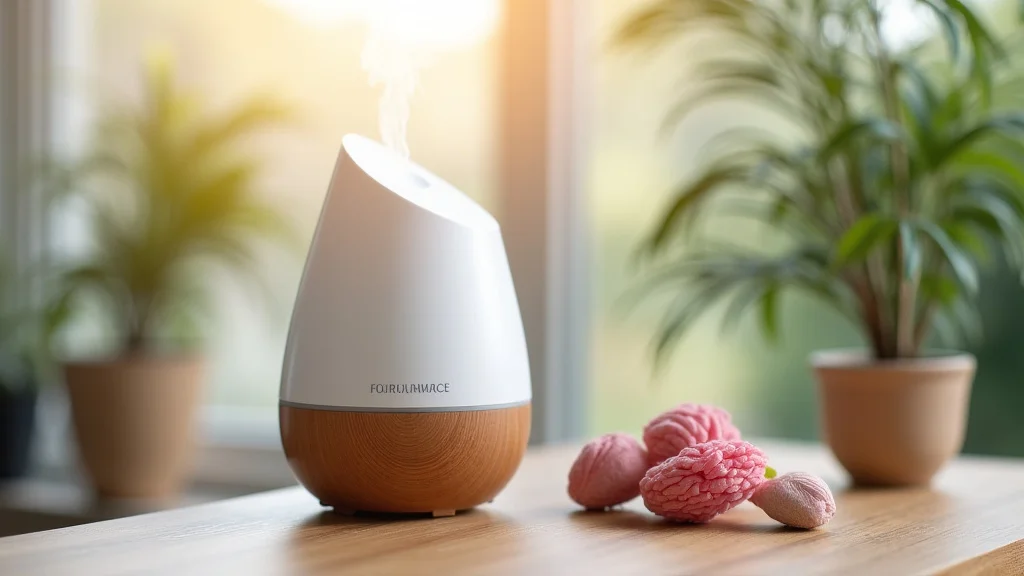
Do you ever feel a knot of tension tighten in your chest, making it hard to breathe? Maybe you’re staring at a screen, deadlines looming, or perhaps the day’s stressors are simply piling up. I know I have. Sometimes, just the thought of everything can trigger that feeling. Using an aromatherapy diffuser for anxiety can provide a sense of calm and well-being. This post explores how these diffusers work and how they can potentially help you find relief. You’ll also learn the best essential oils to use and how to integrate them into your daily routine. By the end, you will understand the benefits and use of an aromatherapy diffuser for anxiety, enabling you to reduce stress and anxiety in your life.
Key Takeaways
- Aromatherapy diffusers work by dispersing essential oils into the air.
- Certain essential oils, like lavender and chamomile, can help reduce anxiety symptoms.
- Understanding the different types of diffusers helps you choose the best one for your needs.
- Proper diffuser use includes knowing the right oil concentrations and safety precautions.
- You can learn how to create an anxiety-reducing aromatherapy routine.
- You’ll discover effective strategies for integrating aromatherapy into your daily life.
Unlocking the Power of Aromatherapy Diffusers
Aromatherapy diffusers are devices designed to release essential oils into the air as a fine mist or vapor. They transform the concentrated essence of plants, extracted through processes like steam distillation or cold-pressing, into an accessible form for inhalation. This process allows the user to absorb the therapeutic compounds within the oils. The therapeutic benefits of essential oils are related to their interaction with the limbic system, a part of the brain linked to emotions, memories, and behaviors. By stimulating this system, aromatherapy can influence your mental and emotional state.
Types of Aromatherapy Diffusers
There are several types of diffusers, each with its own method of dispersing essential oils and its own set of advantages and disadvantages. Choosing the right diffuser is key to getting the most out of your aromatherapy experience. The choice depends on your personal preferences, your living space, and your specific needs.
- Ultrasonic Diffusers: These diffusers use ultrasonic vibrations to break down the essential oils into a fine mist. They are a popular choice because they are quiet, energy-efficient, and often include features like automatic shut-off. Water is mixed with the essential oils, so they also act as humidifiers, which can be beneficial in dry environments.
- Nebulizing Diffusers: Nebulizing diffusers do not use water or heat. They use pressurized air to atomize the essential oil into a fine mist. This method disperses a higher concentration of essential oil into the air, which can offer a more potent aromatherapy experience.
- Heat Diffusers: Heat diffusers use heat to evaporate the essential oils. The heat can be gentle, such as with a ceramic diffuser, or stronger, such as with a candle-powered diffuser. However, because heat can alter the chemical composition of essential oils, some people believe this method can reduce their therapeutic benefits.
- Evaporative Diffusers: Evaporative diffusers use a fan to blow air across an absorbent pad or filter that has essential oils on it. As the air passes over the pad, it picks up the scent of the essential oils and disperses it into the room.
Ultrasonic diffusers utilize ultrasonic frequencies to create vibrations. These vibrations turn the essential oil and water mixture into a mist, which is then released into the air. This method is quiet and efficient, making it a good choice for bedrooms or offices. They often have multiple settings, such as intermittent or continuous diffusion, and can operate for several hours before needing a refill. Regular cleaning is crucial to prevent the build-up of essential oils. This helps ensure optimal performance and extends the lifespan of the device.
Nebulizing diffusers are often considered the most effective type because they deliver the full therapeutic benefits of essential oils without dilution. The mechanism involves a small pump that pushes air through a tube to create a vacuum. This vacuum pulls the essential oil up into the tube, where it’s atomized into tiny particles and dispersed into the air. Nebulizers are typically more expensive and may be noisier than other types of diffusers. They are also best used in well-ventilated areas, given the higher concentration of essential oil in the air.
Heat diffusers, such as those that use a candle or small heating element, warm the essential oil, causing it to evaporate and release its scent. While they can be effective at scenting a room, the heat can potentially alter the chemical structure of the essential oils, which may diminish some of their therapeutic properties. These diffusers are typically more affordable, but it’s important to use them with care to avoid overheating or burning the essential oils.
Evaporative diffusers are straightforward in design, using a fan to circulate air over an absorbent pad or filter saturated with essential oils. The air then carries the essential oil molecules into the room. These diffusers often require a bit more maintenance, as you need to replace the pads regularly. They are generally less expensive, but the diffusion can be less effective compared to ultrasonic or nebulizing diffusers. This makes them a good choice for small spaces or for people who are sensitive to strong scents.
Choosing the Right Essential Oils for Anxiety
Selecting the appropriate essential oils is a significant step in using an aromatherapy diffuser for anxiety. Certain oils are renowned for their calming and relaxing properties. When inhaled, these oils can interact with the limbic system, influencing emotions and reducing feelings of stress and worry. It’s important to learn about the various essential oils to choose the ones that best meet your needs.
Top Essential Oils for Anxiety Relief
Various essential oils are commonly used to ease anxiety. Consider the fragrance, your personal preferences, and any sensitivities you might have when selecting your oils.
- Lavender: Lavender is one of the most well-known essential oils for anxiety. Its calming properties have been widely studied, and it’s frequently used to promote relaxation and improve sleep quality. Lavender’s sweet, floral aroma is often described as soothing, and it is known to help ease feelings of nervousness and agitation.
- Chamomile (Roman or German): Chamomile, particularly Roman chamomile, has a gentle, soothing aroma. It is often used for its calming and anti-inflammatory properties. It is gentle enough for use with children and is known to help ease tension and promote relaxation.
- Frankincense: Frankincense oil has a grounding, earthy scent that can help soothe and reduce stress. It is known for its ability to promote a sense of peace and spiritual well-being. It is thought to have properties that can quiet the mind and reduce mental chatter.
- Bergamot: Bergamot has a bright, uplifting citrus scent with calming properties. It is often used to lift mood, reduce feelings of anxiety, and promote relaxation. It can also help to balance the emotions.
- Ylang-Ylang: Ylang-Ylang is known for its sweet, floral aroma and its ability to reduce stress and promote relaxation. It is often used to balance hormones and reduce nervous tension. It’s often associated with feelings of joy and positivity.
Lavender oil has a wide array of uses, and one of the most important is in reducing anxiety. Studies have shown that lavender can help lower heart rate and blood pressure, promoting a sense of calm. The scent can be effective in reducing symptoms of generalized anxiety disorder. Diffusing lavender oil before bedtime is a common way to improve sleep. Use a few drops in a diffuser to experience the calming effects.
Chamomile essential oil can reduce anxiety and promote relaxation. It is well-regarded for its mildness and is a popular choice for people of all ages, including children. Chamomile can help relieve muscle tension. Chamomile is also known to help with sleep, which is often disturbed by anxiety. You can diffuse chamomile oil, apply it topically (diluted with a carrier oil), or take a chamomile tea as part of your evening routine.
Frankincense is highly valued for its calming effects on the mind and body. It’s known to reduce stress and promote feelings of peace. The grounding aroma can help bring focus and reduce feelings of overwhelm. Frankincense is used in meditation practices to deepen relaxation and improve focus. It can be used in a diffuser or applied topically (diluted) to experience its benefits. Combining frankincense with other oils, such as lavender or sandalwood, can enhance its anxiety-reducing effects.
Bergamot oil helps reduce anxiety and lift the mood. Its citrus scent can uplift your spirits. It may improve mood and reduce anxiety symptoms. While bergamot has many benefits, it can increase photosensitivity. Avoid direct sunlight after applying it to your skin. Diffuse bergamot oil to experience its calming and mood-boosting effects. Combining it with other oils, such as lavender, can amplify its benefits.
Ylang-Ylang is effective in reducing stress. It creates a relaxing atmosphere, which can calm the nervous system. The sweet and floral aroma helps reduce anxiety and lift your mood. Ylang-Ylang has also been shown to help lower blood pressure. Diffusing ylang-ylang oil can improve mood and reduce anxiety, providing a sense of relaxation and well-being. Use it with caution if you have sensitivities or allergies, and always dilute it if applying it to your skin.
How to Use an Aromatherapy Diffuser Safely
Using an aromatherapy diffuser for anxiety requires understanding and following safety precautions to maximize the benefits and minimize any potential risks. Understanding proper usage, including oil concentration, diffuser maintenance, and potential allergic reactions, is key for safe and effective use. This helps in achieving the desired therapeutic effects while maintaining a safe environment.
Best Practices for Diffuser Usage
To use an aromatherapy diffuser safely, consider these factors to improve your experience.
- Read the Diffuser Instructions: Each diffuser model is unique. Understanding how your specific model functions ensures you are using it correctly.
- Start with a Small Amount of Oil: Begin with a few drops of essential oil. You can always add more, but it’s difficult to reduce the concentration once it’s in the air.
- Diffuse in a Well-Ventilated Area: Ensure the area is well-ventilated, especially if you are using a strong essential oil.
- Set a Time Limit: Do not diffuse essential oils for long periods, particularly if you’re new to aromatherapy. Most experts suggest diffusing for 30-60 minutes at a time, followed by a break.
- Consider Your Surroundings: Be mindful of pets and children. Some essential oils are not suitable for pets or young children.
Begin by carefully reading the manufacturer’s instructions for your specific diffuser model. These instructions provide important information about the operation, including how to fill the water reservoir (if applicable), the appropriate amount of essential oil to use, and how to clean the diffuser. Failing to follow these guidelines could lead to problems. Following the guidelines is key to ensuring the diffuser operates efficiently, safely, and provides the therapeutic benefits you seek.
When you start using a new essential oil or diffuser, use a small amount of oil. This helps you gauge the strength of the scent and how your body reacts to the oil. It is easier to add more oil than to lessen the concentration if the scent is overwhelming. For most diffusers, start with 3-5 drops of essential oil per 100-200 ml of water (if using a water-based diffuser). Adjust this amount based on the size of the room and your personal preference.
Proper ventilation is important when using essential oil diffusers. Opening a window or using a room with good air circulation helps prevent the scent from becoming overly concentrated. It also helps to prevent the buildup of volatile organic compounds (VOCs) that could cause irritation. You’ll ensure a refreshing and comfortable aromatherapy experience by improving the air quality. Consider using the diffuser in rooms where fresh air is available.
Even though essential oils offer many benefits, diffusing them for extended periods can sometimes cause over-saturation and potential sensitivity. To avoid this, set a timer and diffuse the oils in intervals. A common recommendation is to diffuse for 30-60 minutes, then take a break. This practice ensures your body and nose do not become overwhelmed and you can continue to enjoy the benefits without issues.
When using essential oil diffusers around children and pets, it is crucial to ensure their safety. Some essential oils are toxic to pets, particularly cats and dogs. Therefore, consult a veterinarian or an aromatherapist to understand which oils are safe. For young children, it’s wise to use essential oils very cautiously and avoid certain ones. Ensure you are using the diffuser in a well-ventilated area, and do not diffuse directly in a pet’s or child’s face. The goal is to maximize the therapeutic benefits without any potential risks.
Safety Precautions for Essential Oil Use
Follow these safety guidelines to help avoid any adverse effects. You can experience the benefits of aromatherapy while minimizing the risks.
- Always Dilute Essential Oils for Topical Use: Never apply essential oils directly to the skin without dilution. Use a carrier oil.
- Avoid Ingestion: Essential oils are not meant for internal use unless under the guidance of a qualified healthcare professional.
- Check for Allergies: Before using any new essential oil, test it on a small area of your skin.
- Pregnancy and Breastfeeding: Certain essential oils are not safe for pregnant or breastfeeding women. Seek advice from a healthcare professional before use.
- Store Properly: Keep essential oils in a cool, dark place away from direct sunlight and heat. Keep them out of the reach of children.
Undiluted essential oils are highly concentrated and can cause skin irritation or allergic reactions if applied directly to the skin. To use essential oils topically, always dilute them with a carrier oil, such as jojoba oil, sweet almond oil, or coconut oil. A common dilution ratio is 1-3% essential oil to carrier oil (1-3 drops of essential oil per teaspoon of carrier oil). This dilution reduces the risk of skin reactions. It also allows the oil to spread evenly on the skin. Always do a patch test before applying diluted oil over a larger area to ensure you do not have any adverse reactions.
Essential oils are very potent. Consuming them, even in small amounts, can lead to adverse effects, including irritation of the digestive tract. Some essential oils can also interfere with certain medications or cause liver damage. If you’re considering internal use, consult with a certified aromatherapist or a healthcare professional who is familiar with essential oils. They can provide advice based on your health history and recommend safe practices.
Essential oils can cause allergic reactions. Always do a patch test before using any new essential oil. Apply a small amount of diluted oil to a small area of your skin, such as the inside of your wrist or elbow. Cover the area with a bandage and wait 24 hours to observe any reaction. If you notice redness, itching, swelling, or any other signs of irritation, avoid using that essential oil. Consult a dermatologist if the reaction is severe. Always keep in mind that individual sensitivities to essential oils can vary.
Pregnancy and breastfeeding change the body’s sensitivity. Some essential oils can cross the placental barrier or be passed through breast milk, affecting the baby. Some essential oils may stimulate uterine contractions, which can be dangerous during pregnancy. Speak to a qualified aromatherapist or your doctor about which essential oils are safe. Avoid using any essential oils without their approval. Lavender, chamomile, and frankincense are generally considered safe when used carefully, but always follow expert advice.
Essential oils are volatile and sensitive to light, heat, and air. To preserve their potency and prolong their shelf life, store them in a cool, dark place, away from direct sunlight or heat sources. A dark-colored glass bottle can help protect them. Seal the bottles tightly after each use to prevent oxidation and evaporation. Also, it is very important to store essential oils out of reach of children and pets. This ensures they are used safely and minimizes the risk of accidental ingestion or contact.
Creating an Aromatherapy Routine for Anxiety
Creating an aromatherapy routine can provide a reliable method to manage and reduce anxiety. Consistency is critical for these routines to be effective. Incorporating aromatherapy into your everyday life can bring emotional balance and a feeling of calm. The aim is to create a peaceful environment and mind, enhancing your overall well-being. A structured, consistent routine enables the regular use of essential oils. This helps to cultivate a state of peace and equilibrium.
Steps for Integrating Aromatherapy into Your Life
Building an aromatherapy routine involves using essential oils at regular times to support your mental and emotional wellness. Start by selecting oils known for their anxiety-reducing effects. Then, find the times and methods that best suit your lifestyle.
- Choose Your Oils: Select essential oils that are known to relieve anxiety. These typically include lavender, chamomile, and frankincense. You can use a single oil or create a blend to suit your preferences.
- Determine Optimal Timing: Incorporate aromatherapy into your daily life at specific times, such as before bed, during your work hours, or when you feel stressed.
- Choose Your Method: Use your preferred method of aromatherapy diffusion. Consider which method fits your lifestyle and preferences.
- Establish a Routine: Consistency is essential. Aim to use your aromatherapy routine at the same times each day.
- Monitor Your Responses: Pay attention to how the essential oils make you feel. Note any changes in your anxiety levels, mood, or sleep.
Start your routine by selecting essential oils best suited for anxiety. Lavender is widely praised for its calming effects and ability to promote relaxation. Chamomile offers gentle soothing properties, while frankincense is valued for its ability to reduce stress and enhance feelings of peace. Experiment by mixing various oils to create a customized blend that appeals to your senses. You can enhance the effectiveness of your routine and the therapeutic benefits you receive from aromatherapy.
Find times during your day when you are most likely to experience anxiety or feel stressed. Common times include before bedtime, during work, or in the middle of busy days. Diffuse the oils to help manage stress. Try diffusing calming oils to support better sleep and reduce nighttime anxiety. Using a diffuser while you work can help to maintain focus and alleviate tension. Regular, consistent use enhances the benefits.
Choosing the appropriate method of aromatherapy helps integrate it easily into your lifestyle. Select a diffuser type (ultrasonic, nebulizing, etc.) based on your needs and living situation. For instance, ultrasonic diffusers are suitable for bedrooms due to their quiet operation. Nebulizing diffusers are very useful when you seek potent effects in specific areas. You can also use personal inhalers, essential oil rollers, or other methods. Use the chosen method for a specific period of time or on demand, depending on your routine.
Build a routine and adhere to it to establish a sense of consistency in your aromatherapy practices. Regular use supports long-term emotional well-being by reinforcing the benefits of your chosen oils. Incorporating your routine into your daily schedule makes it a natural part of your life. Set reminders to help yourself. This ensures you do not miss a session. Over time, regular aromatherapy can help to decrease anxiety. It also helps in improving your overall mental state.
Make a habit of monitoring your body’s response to essential oils. Track any changes in your anxiety levels, sleep quality, and general mood. Use a journal to record your experiences and observations. This helps you track the effectiveness of different oils or blends. It also enables adjustments to your routine. Understanding your body’s responses will help you tailor your aromatherapy practices to meet your specific needs. Through this process, you can enhance the benefits and ensure aromatherapy supports your well-being.
Sample Aromatherapy Scenarios
- Morning Boost: Start your day with a blend of bergamot and frankincense. Diffuse the blend while you prepare for your day to uplift your mood. Inhaling this mix can improve focus and reduce morning anxiety.
- Mid-Day Calm: When feeling overwhelmed at work, use a lavender diffuser or roll-on to ease anxiety and promote relaxation. Take a moment to focus on your breathing.
- Evening Relaxation: Create a relaxing bedtime routine by diffusing chamomile and lavender. This helps to prepare your mind and body for sleep, reducing nighttime anxiety.
The morning routine can include the use of an aromatherapy diffuser with a mix of bergamot and frankincense. Begin by adding a few drops of each oil to your chosen diffuser. As you go about your morning activities, the aroma from the diffuser permeates the room. The uplifting scent of bergamot can enhance mood. Frankincense provides grounding effects, enhancing focus and promoting feelings of calm. This helps you start your day feeling relaxed and centered.
If you’re experiencing stress during work, use a lavender diffuser or roll-on. The soothing scent can help to calm your nerves. When you start to feel overwhelmed, find a quiet space. Close your eyes and inhale the lavender deeply. This will help to reduce stress and anxiety. Focus on your breathing to enhance the calming effects. Take several slow, deep breaths, which can reduce your heart rate and improve your focus. This approach enables a quick and effective method to manage stress during work hours.
To support relaxation, create a bedtime routine featuring chamomile and lavender. Several minutes before sleep, use a diffuser with a blend of chamomile and lavender. The combination promotes relaxation. Ensure your room is comfortable, dim the lights, and let the gentle scent envelop you. Chamomile can relax your body, and lavender can quiet your mind. This routine enhances sleep quality and reduces nighttime anxiety. Consistent use will train your mind to associate this scent with relaxation.
Common Myths Debunked
There are some false ideas about the use of aromatherapy diffusers for anxiety. It is important to know the facts to use these products safely and effectively. This section explores several common misunderstandings, provides accurate information, and explains the realities of using essential oils.
Myth 1: All Essential Oils Are Safe for Everyone
Reality: Not all essential oils are safe for every individual, especially for those with allergies, sensitivities, or pre-existing health conditions.
The safety of essential oils varies from person to person. While many essential oils are well-tolerated and can benefit a wide range of users, some individuals may experience adverse reactions. Allergies can result in skin rashes, respiratory issues, or other symptoms. People with certain health conditions or taking specific medications need to be cautious about certain essential oils. Thorough research, testing, and professional guidance are key to safe use.
Myth 2: Higher Concentrations of Essential Oils Mean Better Results
Reality: More is not always better. Higher concentrations can increase the risk of skin irritation and other adverse effects.
The concentration of essential oils used in diffusers or topically can significantly impact your experience. While essential oils are powerful, higher concentrations do not always equate to better results. In fact, excessive concentrations can lead to skin irritation, allergic reactions, and respiratory issues. It is important to begin with lower concentrations, especially when trying a new essential oil. Carefully adhere to the recommended dilutions and amounts to maximize benefits while avoiding risks.
Myth 3: Essential Oils Can Cure Anxiety
Reality: Aromatherapy can help manage and reduce the symptoms of anxiety, but it is not a cure-all.
Aromatherapy, especially when using an aromatherapy diffuser for anxiety, can be a valuable tool in managing anxiety symptoms. However, it is not a cure-all. Essential oils are known for their ability to promote relaxation and reduce feelings of stress and worry. They often work as a complementary therapy. If you have severe anxiety, it is essential to seek the advice of healthcare professionals for a comprehensive treatment plan that combines aromatherapy with other proven therapeutic methods.
Myth 4: All Diffusers Are the Same
Reality: There are different types of diffusers, each with unique features and benefits.
Diffusers come in different forms (ultrasonic, nebulizing, heat, and evaporative), and each type has distinct features and advantages. Ultrasonic diffusers use vibrations to create a mist, while nebulizing diffusers use compressed air. Heat diffusers use heat to evaporate the oil. Evaporative diffusers use a fan to disperse the scent. Choosing the right diffuser requires careful consideration of its intended use. Different diffuser types offer various benefits, so selecting the suitable one is essential to make sure you get the most out of your aromatherapy experience.
Myth 5: You Can Use Any Essential Oil in a Diffuser
Reality: Not all essential oils are suitable for diffusion, particularly those that are thick or sticky.
Even though most essential oils can be diffused, it is crucial to use the right ones. Some essential oils are very thick or sticky, which can clog certain diffuser types or harm them. Make sure the oil is compatible with your specific diffuser. Research essential oils that are best suited for use with diffusers. This will help you maximize the benefits and avoid damaging your equipment. Check for proper maintenance, as certain oils may need more frequent cleaning.
Frequently Asked Questions
Question: How long should I diffuse essential oils?
Answer: It’s generally recommended to diffuse essential oils for 30-60 minutes at a time, followed by a break.
Question: Can I use essential oils if I have allergies?
Answer: If you have known allergies, introduce new essential oils cautiously, and perform a patch test before regular use.
Question: What’s the best type of diffuser for anxiety?
Answer: Ultrasonic diffusers are very popular because they are easy to use and quiet.
Question: Are essential oils safe for pets?
Answer: Not all essential oils are safe for pets; some can be toxic. Research which oils are safe and consult with a vet.
Question: Can I diffuse essential oils overnight?
Answer: Prolonged diffusion can lead to over-saturation and respiratory issues. It’s best to diffuse for a limited time and then turn off the diffuser.
Final Thoughts
Using an aromatherapy diffuser for anxiety can offer a simple way to introduce calm and well-being into your daily life. It is not just about a pleasant scent; it’s a way to harness the natural power of plants. Essential oils have the potential to ease tension, promote relaxation, and help you cope with the challenges of everyday life. By understanding the different types of diffusers and knowing how to safely incorporate essential oils, you can create a personalized aromatherapy experience. You can manage anxiety and enhance your overall emotional state. Consider the range of options to support your emotional health. Experiment with different essential oils and methods to see what works best for you. Begin by incorporating an aromatherapy diffuser for anxiety into your daily routine. Take small steps and celebrate each positive change.