
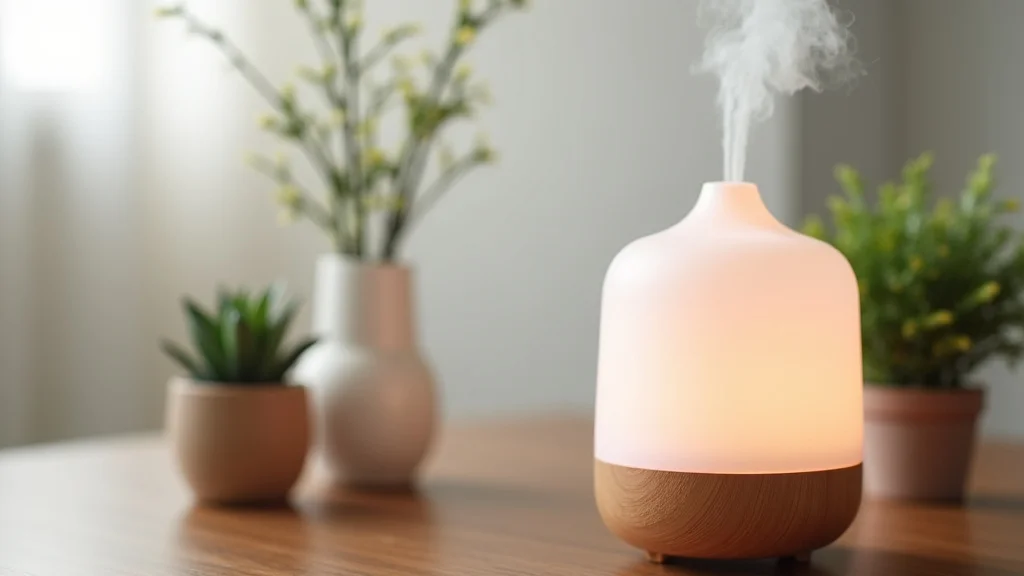
Picture this: a cozy evening, the soft glow of candlelight, and the gentle aroma of lavender filling the air. You might think this idyllic scene is perfectly harmless, but have you ever wondered if that lovely scent from your essential oil diffuser might have hidden consequences? Many people enjoy using diffusers, believing they improve air quality and mood. However, concerns have surfaced about the potential health effects of prolonged exposure to diffused oils. This post explores whether are essential oil diffusers bad for you, providing a comprehensive look at the risks, benefits, and how to use them safely. Get ready to explore the facts and make informed choices to protect your well-being. By the end, you’ll know exactly what you need to know about diffusing oils.
Key Takeaways
- Essential oil diffusers can affect air quality and may cause irritation for some.
- Certain oils and improper use can be harmful to pets and children.
- The concentration and type of oil used play a role in safety.
- Regular cleaning of your diffuser is necessary to prevent mold and bacteria growth.
- There are safe practices to maximize the benefits and minimize the risks of using diffusers.
- Knowing how oils interact is important to ensure a safe experience.
The Basics: What are Essential Oil Diffusers?
Essential oil diffusers have become a common element in homes, workplaces, and spas. These devices release tiny particles of essential oils into the air, creating a fragrant atmosphere. They come in various forms, including ultrasonic diffusers, which use water and vibrations; nebulizing diffusers, which atomize the oil without water; and heat diffusers, which use heat to evaporate the oil. The primary function of a diffuser is to spread the scent and purported therapeutic benefits of the oils throughout a space. The popularity of diffusers has surged with the growing interest in aromatherapy and natural health practices. Let’s explore the details of how they function, as this influences the impact on your environment.
Types of Diffusers and Their Operation
- Ultrasonic Diffusers: These diffusers use ultrasonic vibrations to break down water and essential oils into a fine mist. The mist is then dispersed into the air, adding humidity to the environment. They’re often considered a good option for beginners because they’re generally easy to use and require only water and a few drops of essential oil.
- Nebulizing Diffusers: Nebulizing diffusers do not use water. Instead, they use pressurized air to atomize the essential oils into a fine mist. This method provides a more potent and concentrated aroma, as the oil is not diluted with water. These are usually more effective at covering large areas but require more frequent cleaning.
- Heat Diffusers: Heat diffusers use heat to evaporate essential oils into the air. This method can change the chemical structure of the oils, potentially reducing their therapeutic properties. Heat diffusers are less popular than ultrasonic or nebulizing diffusers, due to the potential for altering the oil’s properties.
Ultrasonic diffusers are a good choice because they add a little moisture into the air. This can be great if you are in a dry environment. They often use plastic parts and can be cleaned quite easily with a simple wipe. The water is often a key ingredient for the scent’s dispersion.
Nebulizing diffusers are very effective at filling a room with fragrance. They use a special method that gives you a pure oil experience. Because they do not use water, the scent is quite strong. Cleaning can be more involved compared to other diffuser types, as some designs can be complex.
Heat diffusers provide a simple way to experience essential oils, but the heat can diminish some of the beneficial qualities of the oils. They might not be the best choice if you’re looking for therapeutic benefits. The use of heat can sometimes alter the chemical makeup of the oil.
Factors Influencing Diffuser Performance
- Oil Quality: The quality of the essential oil itself significantly impacts both the scent and the potential health effects. Using pure, therapeutic-grade essential oils is preferable. These oils are usually free from additives and contaminants, ensuring a cleaner aroma.
- Room Size and Ventilation: The size of the room and the amount of ventilation determine how the diffused oils affect the air quality. Larger rooms need more powerful diffusers, and good ventilation helps prevent the buildup of concentrated oil particles.
- Diffuser Placement: Positioning your diffuser correctly ensures the best scent distribution and minimizes potential risks. Place the diffuser in a spot away from direct airflow, as this can affect the scent’s impact. Avoid placing it near pets or children where they can reach the oil.
The purity of the oil is critical to ensure a positive experience. Look for oils that are labeled as 100% pure and from a trustworthy source. Always check the labels to make sure of the source.
Consider the size of your space and the airflow when choosing a diffuser. Proper ventilation will help keep the air clean and safe. In small rooms, it is important to take extra care not to over-diffuse, and always keep a window open.
The correct position will ensure that the fragrance spreads evenly and keeps your household safe. Keep your diffuser where it won’t be knocked over or accessed by little ones.
Potential Health Impacts of Essential Oil Diffusers
While many people find essential oil diffusers relaxing and beneficial, it’s critical to be aware of the possible health risks connected to their use. The effects of essential oils vary depending on the specific oils used, the concentration of the oils in the air, the user’s sensitivity, and the duration of exposure. Some individuals might experience symptoms ranging from mild irritation to more severe reactions. It is important to know about these considerations to use your diffuser effectively.
Respiratory System Effects
- Irritation: Some essential oils can irritate the respiratory passages, leading to coughing, wheezing, or shortness of breath, particularly in those with asthma or other respiratory conditions. People with allergies are also more susceptible to irritation.
- Allergic Reactions: Inhaling essential oils can cause allergic reactions in sensitive individuals. These reactions may manifest as a runny nose, sneezing, or skin rashes if the oil particles settle on the skin. Recognizing the symptoms of an allergic response is very important.
- Air Quality Changes: Essential oil diffusers can alter the composition of the air in your home. Some oils might react with airborne particles, creating indoor air pollutants. This is especially significant in poorly ventilated areas.
Irritation is a frequent complaint. Certain oils are known irritants. Individuals who have respiratory issues should use extreme caution and consult a healthcare professional. Avoid diffusing oils if you have difficulty breathing.
Identifying allergy symptoms early is important. The main symptoms are similar to those of hay fever. If you experience these effects, cease using the diffuser immediately and seek guidance from a doctor.
You can improve your indoor air quality by using a good diffuser and cleaning it often. Make sure that you have good ventilation in your home. This can make a big difference in how well the diffuser works.
Skin and Sensitization Risks
- Skin Irritation: Direct skin contact with concentrated essential oils can lead to irritation, redness, and itching. This is more probable if the oil has not been properly diluted before use. Always dilute before applying essential oils to the skin.
- Photosensitivity: Certain citrus oils, such as bergamot and lemon, can make the skin more sensitive to sunlight. Exposure to sunlight after using these oils might cause sunburn or skin discoloration. It’s best to avoid sunlight after using these oils on the skin.
- Sensitization: Repeated exposure to essential oils can increase the likelihood of developing an allergic response. Once sensitized, even minor exposure to the oil can trigger a reaction. Sensitization is a long-term problem.
Essential oils are very concentrated and can cause irritation if they come into contact with skin without dilution. Even with proper dilution, some oils might cause skin sensitivity in some people.
Some oils increase skin’s vulnerability to UV rays. Be careful if you use these oils, especially when sun exposure is possible. Apply sunscreen on exposed skin if you have used these oils. These citrus oils often come in many body products.
Repeated exposure can lead to sensitization. This indicates that your body will react more strongly to the oil over time. Varying the oils you diffuse and using them in moderation can help to lower the possibility of sensitization.
Safety Guidelines for Using Essential Oil Diffusers
Using essential oil diffusers safely involves understanding how to handle them properly and taking precautions to minimize potential risks. By following these guidelines, you can enjoy the benefits of aromatherapy while minimizing any negative effects on your health and the health of those around you. Being informed about best practices is essential for safe usage.
Safe Oil Selection and Usage
- Research Oils: Learn about the essential oils you plan to use. Some oils are considered safer than others, and some are best avoided altogether, especially for certain populations like infants and pregnant women. Know the properties of each oil.
- Dilution and Concentration: Avoid using essential oils at high concentrations, especially in small spaces. Start with a few drops and gradually increase the amount if needed. Always dilute essential oils before applying them to the skin.
- Combination and Mixing: When combining oils, be aware of their interactions. Some oil combinations can be more irritating than others. Always test a new combination by diffusing it briefly to check for any adverse reactions.
Conducting research is a fundamental step in safe diffusing. There’s a wealth of information online, from the specific properties of each oil to their potential interactions. Understand any warnings or contraindications associated with each oil.
Less is often more when diffusing essential oils. High concentrations can cause irritation, and overexposure can lead to various health concerns. Dilution is crucial for safety. Always follow the manufacturer’s recommendations for dilution ratios.
Certain oils can boost or hinder the effects of others. Some combinations are synergistic, while others can be dangerous. Doing the research before combining oils is a good idea. Begin with a single oil and slowly introduce new ones.
Proper Diffuser Maintenance and Cleaning
- Regular Cleaning: Clean your diffuser frequently, following the manufacturer’s instructions. Residue buildup can lead to mold and bacterial growth, decreasing air quality. Regular cleaning is crucial.
- Water Quality: Use clean, filtered water in your diffuser to avoid introducing impurities into the air. Tap water contains minerals that can accumulate and harm the device. Using clean water is beneficial to both the diffuser and the air quality.
- Component Inspection: Regularly inspect your diffuser for any signs of damage or wear and tear. Replace any parts as needed to ensure the device functions safely. This simple step can prevent the release of contaminated air.
Cleaning your diffuser is essential to prevent mold, bacteria, and residue buildup. This is especially true if you use it regularly. The frequency of cleaning should be tailored to the amount of use, the type of oil, and the environment. Thorough cleaning will keep your device in top condition.
The type of water that you use influences both the performance of your diffuser and the air quality. Using clean water can help extend the life of your diffuser. Make sure to regularly check and replace the water according to the manufacturer’s instructions.
Regular inspection can help catch problems early, such as cracks or leaks. Examine the power cord, the water tank, and all other components for wear. Replace any damaged parts immediately. Make sure to follow the manufacturer’s advice for maintenance.
Are Essential Oil Diffusers Bad for Your Pets?
The use of essential oil diffusers around pets requires special consideration. Animals are generally more sensitive to essential oils than humans. Their smaller size and differences in metabolism mean that even small amounts of certain oils can be toxic. Knowing about the risks is very important to safeguard your pets.
Oils to Avoid Around Pets
- Toxic Oils: Certain essential oils are known to be toxic to pets. These include tea tree oil, pennyroyal, cinnamon, citrus oils (especially in high concentrations), pine, and eucalyptus. Avoid using these oils around your pets to prevent accidental exposure.
- Species Sensitivity: Different species have varying sensitivities to essential oils. Cats, for example, are particularly vulnerable due to their liver’s inability to process certain compounds. Be aware of the specific needs of each pet.
- Symptoms of Exposure: Watch for signs of toxicity in your pets, such as excessive drooling, vomiting, difficulty breathing, or lethargy. If your pet shows any of these symptoms, seek immediate veterinary care. Early detection is very important.
It’s important to understand which oils are potentially harmful to your pets. Thorough research into the toxicity of any oil before use is essential. Consult with a veterinarian about specific oils.
Species-specific sensitivity is key to understanding the risks. Research the effects of different essential oils on your pet’s species. Cats, birds, and other animals require more care.
Knowing the warning symptoms can assist you in recognizing a problem rapidly. Vomiting, wheezing, and skin reactions are all red flags. If you notice any of these signs, seek veterinary assistance immediately.
Safe Practices for Diffusing Around Pets
- Ventilation: Always ensure adequate ventilation when using a diffuser around pets. This helps reduce the concentration of the oils in the air. Fresh air helps dilute the oil particles.
- Safe Zones: Create a pet-friendly zone where your pets can retreat if they feel overwhelmed by the scents. This could be a room or area that is free from any diffused oils. Offer options for your pets to escape the smell.
- Consult a Veterinarian: Before using a diffuser with essential oils around your pets, consult with your veterinarian. They can offer advice on which oils are safe and which ones to avoid, based on your pet’s specific health.
Proper ventilation is crucial. By keeping the air flowing, you can help reduce the possibility of overexposure. Ensure that pets can easily access fresh air.
Always provide a way out for pets. This gives them a safe area where they can be removed from exposure to the oils. Your pet should have the choice to leave.
Your vet can offer personalized advice that is specific to your pets. They may advise you on the best safety precautions. Consult your vet to discuss which oils are best.
Essential Oil Diffusers and Children: Considerations
Children have unique vulnerabilities to essential oils. Their developing bodies and smaller size mean they can be more easily affected by diffused oils. It’s important to take specific precautions when using diffusers in households with children. These precautions make sure that the environment is both pleasant and safe.
Age-Specific Concerns
- Infants and Young Children: Infants and young children are particularly sensitive. Their respiratory systems are still developing. It is best to avoid diffusing oils around infants under six months old without a doctor’s recommendation.
- Older Children: While older children can tolerate some oils, it’s essential to watch for any adverse reactions. Children’s sensitivities can vary. Observe for signs of irritation or discomfort.
- Sensitivities and Allergies: Children are more prone to developing allergies and sensitivities. Their immune systems are still developing. Monitor them for any signs of allergic reactions.
Infants are vulnerable to inhaling essential oils. They have an increased risk of respiratory problems. Consult a healthcare professional before using diffusers near babies.
Older children can be more affected than adults, depending on their health. It’s crucial to watch for symptoms of a reaction. This may include headaches or nausea.
Children’s immune systems aren’t fully developed. This can make them more prone to allergic responses. Watch for signs of discomfort. Consult with a doctor or allergist for advice.
Best Practices for Diffusing Around Children
- Dilution and Low Concentrations: Use essential oils in low concentrations. Dilute the oils properly. Avoid high-concentration formulas. A low concentration minimizes potential risks.
- Supervision: Supervise children when using a diffuser. Make sure they do not touch the diffuser or the oils. Constant monitoring is very important.
- Room Size and Ventilation: Use diffusers in large, well-ventilated spaces. This will reduce the concentration of the oils in the air. Fresh air helps decrease the potential for adverse effects.
Less is more when you are diffusing around children. Lower concentrations of oils can reduce the risk. Carefully follow the manufacturer’s directions for dilution.
Always watch your children while they are in the area with a diffuser. This can help prevent accidental exposure. Keep the diffuser out of children’s reach.
Good ventilation is key to ensuring the air is clear. Make sure the room is well-aired. Regular ventilation is good for the health of both children and adults.
Common Myths Debunked
Myth 1: Essential oils are always safe because they are natural.
While essential oils are derived from natural sources, this doesn’t automatically mean they are entirely safe. Many natural substances can be harmful, and essential oils are highly concentrated. Their potency means that improper use can lead to adverse effects, regardless of their natural origin. It’s important to always handle essential oils with care.
Myth 2: All essential oils are equally safe for everyone.
The safety of essential oils varies greatly. Some oils are considered safer than others, and even these can cause reactions in sensitive individuals. Factors like age, health conditions, and allergies play a role. The same oil might be safe for one person but not for another. Understanding these differences is crucial.
Myth 3: More essential oil in the diffuser equals more benefits.
Using a higher concentration of essential oils doesn’t always lead to greater benefits. Overexposure can lead to health risks, like irritation, headaches, and respiratory problems. The amount of oil used needs to be balanced for effectiveness. Using less oil is often better for your well-being.
Myth 4: Essential oils cure illnesses.
Essential oils can provide a sense of well-being, but they are not a cure for illnesses. They can complement treatments, but should not be relied upon as a substitute for professional medical care. The effectiveness of essential oils is related to comfort, not cures. You should always consult with a doctor for treatment of any medical condition.
Myth 5: It’s okay to apply essential oils directly to the skin without dilution.
Applying undiluted essential oils to the skin is generally not advised. They can cause irritation, redness, and burns. It is essential to dilute them in a carrier oil, such as coconut or jojoba oil, before applying. Dilution helps reduce the risk of skin reactions. Always use proper dilution methods.
Frequently Asked Questions
Question: How often should I clean my essential oil diffuser?
Answer: It’s best to clean your diffuser after each use or, at the very least, every 1-2 days. Regular cleaning helps prevent mold and bacteria buildup, ensuring that your diffuser functions properly and safely.
Question: Can I use tap water in my diffuser?
Answer: It’s not generally recommended to use tap water in your diffuser because it can contain minerals that accumulate and may reduce the device’s lifespan. Distilled or filtered water is a better option, as it helps to keep the diffuser clean and functional.
Question: Are essential oils safe for babies?
Answer: It is generally advised to avoid diffusing essential oils around babies under six months old without consulting a pediatrician first. Babies are particularly sensitive. Only use essential oils if recommended by a healthcare provider.
Question: What should I do if I experience a reaction to essential oils?
Answer: If you have a reaction to essential oils, stop using them immediately. Get fresh air and drink water. If the symptoms persist or become severe, see a healthcare professional or doctor.
Question: Are all essential oil diffusers the same?
Answer: No, not all diffusers are the same. They come in many different designs and use different technologies. Ultrasonic, nebulizing, and heat diffusers all function differently and require various usage practices.
Final Thoughts
The use of essential oil diffusers can be a pleasant way to enhance your environment and promote relaxation, but it’s essential to approach them with knowledge and caution. Knowing the different types of diffusers, the potential health impacts, and the necessary safety measures will help you enjoy the benefits while minimizing risks. Remember to research essential oils, always use them responsibly, and pay attention to how your body and those around you respond. Consider the needs of children and pets, and never hesitate to seek advice from a healthcare professional or veterinarian if you have any questions or concerns. By adopting a well-informed and cautious approach, you can create a pleasant and health-conscious environment. Enjoy the fragrant benefits of aromatherapy responsibly and protect your well-being.