
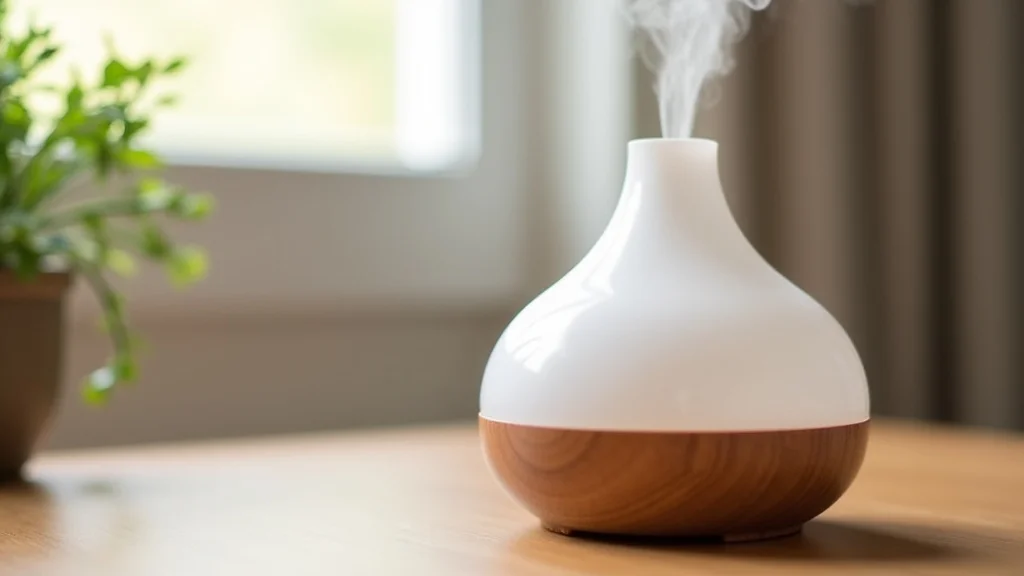
Picture this: you’ve had a long day, and all you want is to unwind. You reach for your new aroma diffuser, excited to fill your space with calming scents. But wait – the instructions seem a bit… cryptic. Sound familiar? Many people find themselves puzzled by the initial setup and optimal use of their aroma diffuser instructions. This guide removes the guesswork, providing clear, easy-to-follow steps for enjoying the benefits of aromatherapy. You’ll learn everything from unboxing your device to maintaining it for long-lasting use. This detailed guide ensures a smooth and enjoyable experience, improving your understanding of the device and increasing your satisfaction.
Key Takeaways
- Understand the basics of aroma diffuser operation.
- Learn how to choose and use essential oils safely.
- Find out how to clean and maintain your diffuser for optimal performance.
- Discover the benefits of using an aroma diffuser in your home.
- Troubleshoot common issues and ensure lasting diffuser performance.
- Explore different diffuser types and their unique features.
Getting Started with Your Aroma Diffuser
Opening a new box is often exciting. Your new aroma diffuser likely has several components, and getting familiar with them is important for smooth operation. First, carefully remove all parts from the box. Locate the diffuser itself, the power adapter, and any included measuring cups. These parts are essential. Most diffusers include a user manual. Although this guide covers the core information, the manual often provides specific information about your device’s model. Reviewing this will assist with any model-specific functions.
Unboxing and Component Identification
Once you have all components out, take a moment to identify each part. This will prevent mistakes later. The diffuser is the main unit. This is the part that holds the water and essential oils. The power adapter connects the diffuser to a power outlet. Some diffusers also include a remote control. If your model uses one, find the battery compartment and ensure it has fresh batteries. The measuring cup is important. It helps you measure the correct amount of water to prevent leaks or damage. Be sure to find the power button. This turns the device on and off. Some diffusers also have buttons to change settings, such as the mist intensity and timer.
- The Diffuser: This is the main body. It typically has a water reservoir and an ultrasonic plate or heating element.
- Power Adapter: This connects your diffuser to a power outlet. Make sure the voltage matches your country’s standard.
- Measuring Cup: Use this to measure the water for the reservoir to avoid overfilling.
- User Manual: While this guide covers the basics, consult your specific model’s manual.
- Optional Remote Control: If included, make sure it has fresh batteries and functions correctly.
Water and Oil Filling
The correct amount of water and oil is important for optimal performance. First, unplug the device. Carefully remove the cover of the diffuser. Use the measuring cup to pour water into the reservoir. Check the maximum fill line on your device. Never overfill the reservoir, as this can damage the diffuser and lead to water leaks. Next, add a few drops of your chosen essential oil. The exact number of drops depends on the size of your diffuser and the strength of the oil. As a starting point, most diffusers perform well with 3-5 drops of essential oil per 100ml of water. Then, replace the cover and plug the diffuser into a power outlet.
- Water Type: Use clean tap water or distilled water for best results. Distilled water reduces mineral buildup.
- Water Level: Do not fill past the maximum water line indicated inside the reservoir.
- Essential Oil Amount: Start with a few drops and adjust based on your desired scent intensity.
- Oil Types: Research the oils you plan to use. Some oils are safe for pets, while others can be harmful.
Powering On and Adjusting Settings
With the water and oil in place, it is time to turn on your diffuser and explore its settings. Press the power button. You should see a light, and mist should begin to emanate. Most diffusers have multiple settings. These allow you to adjust the mist intensity, timer, and light. The mist intensity controls how much mist is released. This affects the strength of the scent. The timer sets how long the diffuser will run before automatically shutting off. This is a handy feature if you plan to use your diffuser while sleeping. The light setting can often change colors or remain on a single color, adding to the ambiance. Try different settings to find what works best.
- Power Button: This is the on/off switch. Press it to start and stop the diffusion.
- Mist Intensity: Some diffusers have high and low mist settings.
- Timer Settings: Set how long the diffuser operates. Options may include 1, 2, 3 hours, or continuous operation.
- Light Settings: Change the color and brightness of the diffuser’s LED light.
Choosing the Right Essential Oils for Your Needs
Essential oils are the heart of the aromatherapy experience. They offer a range of therapeutic benefits. There are numerous scents. Some oils help reduce stress and improve sleep, while others promote focus and energy. However, not all essential oils are created equal. Different types of oils have different properties. Research the oils before use. Some oils are not safe for pets or children. Always follow the manufacturer’s directions.
Understanding Essential Oil Types and Benefits
Essential oils are extracted from plants. Each oil has a unique composition and offers specific benefits. Lavender is well-known for its calming and sleep-promoting properties. Eucalyptus is often used to help with respiratory issues. Peppermint can increase alertness and ease headaches. Citrus oils, such as lemon and grapefruit, are uplifting. Tea tree oil is known for its antibacterial and antifungal properties. Consider your needs and preferences. Read the product label and ingredient list carefully. It’s often helpful to begin with single-note oils before trying blends. Experiment to find what works best for you.
- Lavender: Calming, promotes relaxation and sleep.
- Eucalyptus: Helps with breathing, can relieve congestion.
- Peppermint: Increases alertness, relieves headaches.
- Citrus Oils: Uplifting, helps improve mood.
- Tea Tree: Antibacterial, antiviral, and antifungal properties.
Safety Guidelines for Essential Oil Use
Essential oils are potent. It’s important to use them safely. Always dilute essential oils before applying them to your skin. Many oils cause allergic reactions. Never ingest essential oils. Keep them out of reach of children and pets. Some oils are not safe for use by pregnant women. Research any oil before using it. This is especially true if you are taking medications. Store essential oils in a cool, dark place away from direct sunlight. This keeps them from degrading. If you experience any adverse reaction, discontinue use immediately. Contact your healthcare professional if the symptoms persist. Following these guidelines ensures a safe and enjoyable experience.
- Dilution: Always dilute essential oils with a carrier oil before skin application.
- Ingestion: Never ingest essential oils unless directed by a qualified healthcare professional.
- Children and Pets: Keep essential oils out of reach of children and pets. Research oils safe for pets.
- Pregnancy: Some oils are not safe for pregnant women. Check with your doctor.
- Storage: Store essential oils in a cool, dark place to maintain potency.
Blending Essential Oils
Blending essential oils lets you create unique scents. Experiment to find your favorite combinations. There are many blend recipes online. Start with a few drops of each oil. Record your formulas to repeat them. Consider the properties of each oil when blending. For example, combine lavender and chamomile for relaxation. Mix eucalyptus and peppermint for respiratory support. When blending, think about the notes. Top notes are light and evaporate quickly (e.g., citrus). Middle notes are the main body of the scent (e.g., lavender). Base notes are long-lasting (e.g., sandalwood). Create blends based on the mood or atmosphere you wish to achieve. Keep a journal of your favorite recipes.
- Research: Learn about the therapeutic properties of each essential oil.
- Experimentation: Start with small amounts and try different combinations.
- Note Blending: Understand the different notes (top, middle, base) to create balanced blends.
- Safety: Always follow safety guidelines for essential oil use.
- Record Keeping: Write down your favorite blend recipes.
Maintenance and Cleaning: Keeping Your Aroma Diffuser in Top Shape
Regular maintenance ensures that your diffuser will operate effectively. A clean diffuser not only works better, but it also prevents the build-up of bacteria. This maintenance keeps your home air fresh. It extends the life of your device. Cleaning is not difficult. It requires a few simple steps. The frequency of cleaning depends on how often you use your diffuser. For frequent use, cleaning once a week is a good idea. For occasional use, cleaning every few weeks is sufficient.
Cleaning Frequency and Supplies
Cleaning frequency is important. Cleaning your diffuser regularly keeps it in good shape. As a general rule, clean your diffuser after every 5-7 uses. If you use it daily, clean it weekly. If you use it less often, clean it every few weeks. You need only a few supplies to clean your device. A soft cloth or paper towels work best for wiping surfaces. Use cotton swabs to clean hard-to-reach areas. White vinegar can remove mineral deposits and disinfect the reservoir. Water is essential for rinsing. Never use harsh chemicals or abrasive cleaners, as they can damage the device.
- Weekly Cleaning: If you use the device daily.
- Monthly Cleaning: If the device is used less often.
- Soft Cloth/Paper Towels: For wiping surfaces.
- Cotton Swabs: For cleaning hard-to-reach areas.
- White Vinegar: To clean mineral deposits and disinfect.
Step-by-Step Cleaning Guide
Cleaning is simple if you follow these steps. First, unplug your diffuser. Empty any remaining water and oil from the reservoir. Add a few tablespoons of white vinegar to the reservoir. Swirl the vinegar around to coat the surfaces. Let it sit for 5-10 minutes to help dissolve any mineral buildup. Use a cotton swab to clean the ultrasonic plate or heating element. Rinse the reservoir with clean water to remove any vinegar residue. Wipe the exterior of the diffuser with a damp cloth. Let all the parts air dry completely before assembling and using again. This prevents the growth of mold or bacteria.
- Unplug the diffuser and remove the cover.
- Empty the water and oil reservoir.
- Add a few tablespoons of white vinegar.
- Swirl the vinegar around for a few minutes.
- Clean the ultrasonic plate with a cotton swab.
- Rinse the reservoir with clean water.
- Wipe the exterior.
- Allow all parts to air dry.
Troubleshooting Common Issues
Sometimes, even with regular care, you might face issues. Knowing how to fix common problems saves you time and money. If your diffuser isn’t producing mist, check the water level. The water level must be within the marked lines. Make sure that the power adapter is properly connected. Also, check that the power button is switched on. If there’s mineral buildup, clean the diffuser. If the diffuser still doesn’t work, there may be a malfunction. Refer to the manufacturer’s manual. If all else fails, contact customer support. They can provide assistance. They may offer a repair or replacement.
- No Mist: Check the water level, power adapter, and power button.
- Weak Mist: Ensure the diffuser is clean and not clogged.
- Leaks: Do not overfill the reservoir, and make sure all parts are properly connected.
- Smelly Mist: Clean the diffuser to remove any mold or bacteria.
- Diffuser Not Working: Consult the user manual and contact customer support if needed.
Exploring Different Types of Aroma Diffusers
The market offers many types of diffusers. Each type has its own pros and cons. Understanding the various models helps you choose the best one for your needs. The choice is based on factors such as space, budget, and desired features. Researching different types allows you to purchase the model that suits your lifestyle. Different types vary in size, technology, and functionality.
Ultrasonic Diffusers
Ultrasonic diffusers are the most common type. They use high-frequency vibrations to break down water and essential oils into a fine mist. These diffusers are very efficient and require little maintenance. They are also energy-efficient and quiet. One benefit of ultrasonic diffusers is that they do not use heat. Heat can alter the chemical composition of essential oils. This can reduce their therapeutic benefits. However, ultrasonic diffusers require regular cleaning to prevent mineral buildup. The mist produced is very fine. This can be a benefit if you prefer a subtle scent. These diffusers are a solid choice for most people.
- How They Work: Use ultrasonic vibrations to create mist.
- Benefits: Energy-efficient, quiet, and do not use heat.
- Maintenance: Requires regular cleaning to prevent mineral buildup.
- Mist: Produces a fine, subtle mist.
- Best For: General use, small to medium-sized rooms.
Nebulizing Diffusers
Nebulizing diffusers provide a stronger scent. They use compressed air to atomize essential oils into a fine mist. This method disperses the oil directly into the air. Nebulizing diffusers do not need water. This makes them a good option for those seeking a pure essential oil experience. These diffusers often provide the most intense scent. They also have the benefit of preserving the oil’s properties. Nebulizing diffusers are often more expensive and can be louder than other types. They also require more frequent oil refills. Choose a nebulizing diffuser if you prefer a potent scent and don’t mind the higher price.
- How They Work: Use compressed air to atomize essential oils.
- Benefits: Produces a strong scent, does not require water.
- Maintenance: Requires frequent oil refills and can be louder.
- Mist: Produces a potent mist of pure essential oil.
- Best For: Those who want a powerful scent and do not mind a higher price.
Heat Diffusers
Heat diffusers use gentle heat to evaporate essential oils. These diffusers can be simple and affordable. The heat can change the chemical properties of the oil. This means they are not ideal for all types of essential oils. Heat diffusers often work by placing a small amount of essential oil on a heated pad. They are typically less energy-efficient than other diffuser types. They are usually compact, making them good choices for small spaces. Because they use heat, these are less commonly used compared to ultrasonic or nebulizing diffusers.
- How They Work: Use gentle heat to evaporate essential oils.
- Benefits: Simple and affordable.
- Maintenance: Easy to maintain.
- Mist: The scent is typically more potent.
- Best For: Small spaces.
Common Myths Debunked
Myth 1: All Essential Oils Are Safe for Everyone
In reality, not all essential oils are safe for everyone. Some oils can cause skin irritation or allergic reactions. Some are toxic if ingested. Certain oils are not suitable for children, pets, or pregnant women. Always research and understand the properties of each oil before use. Check for safety guidelines before applying them to your skin.
Myth 2: More Essential Oil Means Better Results
Adding more essential oil does not always equal better results. Overusing essential oils can cause headaches, nausea, or even respiratory issues. It’s best to start with a few drops and increase gradually. Excess oil can also clog your diffuser. Follow the manufacturer’s instructions. The correct amount of oil ensures a pleasant experience.
Myth 3: All Aroma Diffusers Are the Same
There are several types of aroma diffusers, including ultrasonic, nebulizing, and heat diffusers. Each uses a different method to disperse essential oils. Each type offers different benefits. Ultrasonic diffusers use vibrations to create mist. Nebulizing diffusers atomize essential oils without water. Heat diffusers use gentle heat. The different types have varying characteristics.
Myth 4: You Can Use Any Water in Your Diffuser
While tap water is generally safe to use, it can contain minerals that can build up inside your diffuser, reducing its lifespan. The best choice is distilled or purified water. These types of water are free of minerals and impurities. This minimizes mineral buildup and keeps your diffuser working for a longer time.
Myth 5: Aroma Diffusers Cure Illnesses
Aroma diffusers are not medical devices. While essential oils can promote relaxation, reduce stress, and improve mood, they cannot cure diseases. They can provide therapeutic benefits that contribute to overall well-being. Always consult with a healthcare professional for diagnosis and treatment of any health condition. Consider essential oils as a supportive tool.
Frequently Asked Questions
Question: How often should I clean my aroma diffuser?
Answer: Clean your aroma diffuser every 5-7 uses or at least once a week if using it frequently.
Question: What kind of water should I use in my diffuser?
Answer: The best type of water is distilled or purified water to prevent mineral buildup. You can also use clean tap water.
Question: How many drops of essential oil should I use?
Answer: Start with 3-5 drops of essential oil per 100ml of water, then adjust to your preference.
Question: Can I use any essential oil in my diffuser?
Answer: Research each essential oil for safety, as some are not safe for children, pets, or pregnant women. Follow all safety guidelines.
Question: My diffuser isn’t producing mist; what should I do?
Answer: Check the water level, ensure the power adapter is connected, and clean the device if necessary. Also, ensure the power button is on.
Final Thoughts
Using an aroma diffuser can significantly enhance your environment. These aroma diffuser instructions make it easy to start enjoying aromatherapy. Starting with the right information creates an enjoyable experience. By following the aroma diffuser instructions, you will have a device that functions well. Always start with clean equipment. Choose your oils. Maintain your diffuser. You will get the most benefit. Enjoy the calming scents and therapeutic benefits of your aroma diffuser. Remember to experiment with different oil blends and settings. With a bit of practice, you can create a personalized oasis of relaxation and wellness in your home. Take your time, explore the options, and relish the sensory journey.