
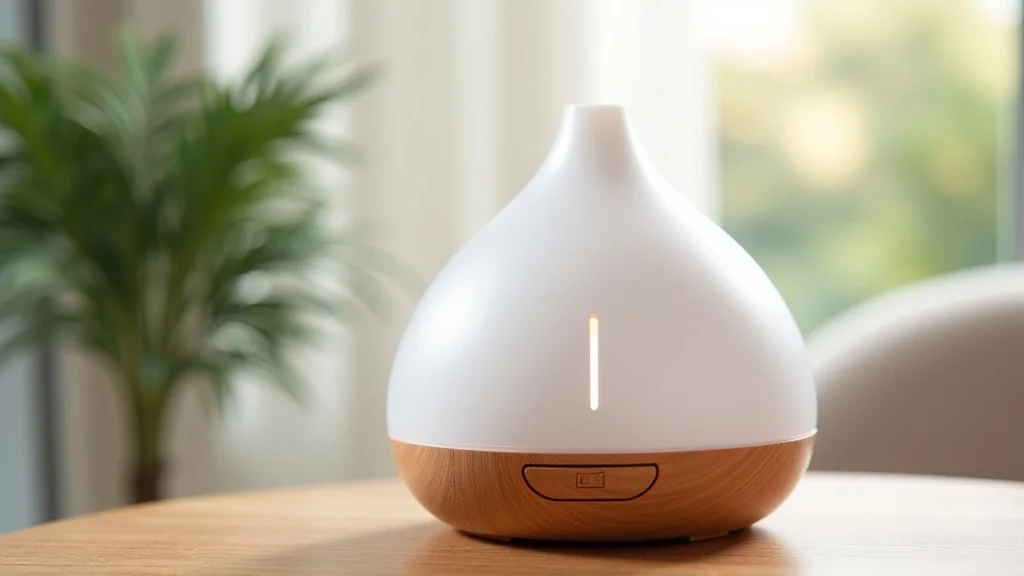
Remember that new aroma diffuser you bought? Excited to fill your home with calming scents, but then you opened the box and… the aroma diffuser user manual pdf looked more like a foreign language? You’re not alone! Many people find user manuals overwhelming. This guide is here to help. We’ll explore the ins and outs of your aroma diffuser and, of course, where to find and how to use the aroma diffuser user manual pdf. By the end, you’ll be a pro at using your diffuser, maximizing its benefits and creating the perfect atmosphere. Get ready to experience the full potential of your device.
Key Takeaways
- Find out where to easily access the aroma diffuser user manual pdf for your model.
- Learn the essential components and how your diffuser works.
- Discover the correct methods for filling, cleaning, and maintaining your device.
- Understand the safety guidelines to ensure safe operation.
- Explore troubleshooting tips for common problems.
- Improve the performance and longevity of your diffuser.
Unveiling the Aroma Diffuser: A Comprehensive Guide
Aroma diffusers have become a popular way to bring pleasant scents and potential therapeutic benefits into homes. They work by dispersing essential oils into the air as a fine mist. This not only creates a lovely fragrance but can also help improve mood, reduce stress, and even purify the air. This guide will explore everything you need to know about aroma diffusers, with a special focus on how to use the aroma diffuser user manual pdf to maximize your experience.
Understanding the Basics
Before you even think about using your aroma diffuser, it’s essential to grasp its basic components. The typical diffuser includes a water reservoir, a vibrating plate (in ultrasonic diffusers), an air vent, and a power source. The water reservoir holds the water, and essential oils are added to the water. The ultrasonic plate then vibrates, creating a fine mist that carries the scent into the air. The air vent directs the mist upwards, and the power source ensures the diffuser operates.
- Water Reservoir: This is where the water and essential oils are mixed. Make sure to use clean, fresh water and the recommended amount of essential oil.
- Ultrasonic Plate: Found in ultrasonic diffusers, this plate vibrates at a high frequency to break down the water and oil into a fine mist.
- Air Vent: This is the opening through which the mist is released into the room.
- Power Source: This could be a plug-in adapter or batteries, depending on the model.
Understanding these fundamental parts is critical for efficient use. Refer to your aroma diffuser user manual pdf for a diagram specific to your model. This will help you identify each part and its function. This initial review of the parts ensures you’re prepared to get the most out of your aromatherapy device, while preventing damage from improper use.
Types of Aroma Diffusers: Matching Your Needs
There are several types of aroma diffusers, each employing a distinct method of dispersing essential oils. Ultrasonic diffusers use high-frequency vibrations to create a fine mist. Nebulizing diffusers, on the other hand, atomize the oil without water, creating a more potent aroma. Evaporative diffusers use a fan to blow air across an absorbent pad saturated with essential oil. Finally, heat diffusers use heat to release the scent. The best diffuser type for you depends on your preferences and the size of your space.
- Ultrasonic Diffusers: Popular due to their quiet operation and ability to humidify the air. They are easy to clean and generally safe for use around children and pets.
- Nebulizing Diffusers: These offer the most intense scent diffusion but can be noisier and require more frequent cleaning. They don’t use water, which can be advantageous in some situations.
- Evaporative Diffusers: These are simple and affordable but may require more frequent refills of essential oils. The scent can be less potent.
- Heat Diffusers: Not recommended for all essential oils, as heat can alter their chemical composition. Some models are safer and more gentle than others.
Before buying an aroma diffuser, consider your living space’s size and your scent preferences. Ultrasonic diffusers are excellent for bedrooms and living rooms, while nebulizing diffusers are better suited for larger areas. Your aroma diffuser user manual pdf will often suggest which type is best for your product, as well as the types of oils it works best with.
Locating and Reading the Aroma Diffuser User Manual PDF
The aroma diffuser user manual pdf is a treasure trove of information, crucial for proper use and care. Often, this manual can be found both physically in the box and digitally online. It offers detailed instructions, safety precautions, and troubleshooting tips specific to your diffuser model. Familiarizing yourself with the manual can prevent errors, maximize performance, and improve the life of your device.
Finding Your Manual: Where to Look
When you purchase an aroma diffuser, the user manual is often included in the packaging. However, if you’ve misplaced it, there are several ways to retrieve it. First, explore the product box; it might be tucked away in a compartment. Second, explore the manufacturer’s website; most companies offer downloadable PDF versions of their manuals. Finally, try searching online using the model number of your diffuser followed by “user manual pdf.” This method often leads directly to a downloadable version.
- Check the Product Box: Start by looking for a small envelope or compartment within the box.
- Visit the Manufacturer’s Website: Most companies offer downloadable manuals in the “Support” or “Downloads” section of their website.
- Online Search: Use the model number of your diffuser followed by “user manual pdf” to find a downloadable version.
If you have any difficulty finding your device’s aroma diffuser user manual pdf, many online communities are dedicated to aromatherapy. You may find someone who can help you locate the specific document you are looking for. These resources will guide you through setup, provide maintenance guidelines, and explain special features.
Decoding the Manual: Key Information
Once you locate your aroma diffuser user manual pdf, it is time to start reading. Begin by skimming through the table of contents to locate important sections. Pay attention to safety instructions, which are critical for preventing accidents. Also, note the instructions for filling, cleaning, and maintaining the device. These guidelines are crucial for ensuring the longevity and efficient operation of your diffuser. Review any troubleshooting tips to resolve possible issues that arise. The manual is also full of useful advice for maximizing your device’s potential.
- Safety Instructions: Always read and adhere to these guidelines to prevent accidents.
- Filling Instructions: Learn the correct amount of water and essential oil to use.
- Cleaning and Maintenance: Keep your diffuser in good condition to guarantee its performance.
- Troubleshooting Tips: Know how to fix common problems such as a device not producing mist.
Pay close attention to any warnings. They are provided to alert you of potential hazards. Ignoring these warnings could lead to injury or damage to your device. Familiarizing yourself with the core information in your aroma diffuser user manual pdf is essential for a safe and enjoyable aromatherapy experience.
Using Your Aroma Diffuser Safely and Effectively
After finding your manual, you can start using your aroma diffuser. Following safety guidelines and operating your diffuser correctly will improve its performance. Proper operation, including the correct amount of essential oil and regular cleaning, ensures the device works for an extended time. Careful use of the product safeguards both your well-being and the equipment.
Essential Oil Guidelines
Not all essential oils are created equal, and not all diffusers are suited for every type of oil. Refer to your aroma diffuser user manual pdf and follow its recommendations. Some oils are thicker and may clog your diffuser, while others might react poorly with the materials. Never use synthetic fragrances, as they can damage your diffuser. Always buy high-quality, pure essential oils from reputable suppliers to guarantee their purity and effectiveness. Always perform a patch test when trying a new oil.
- Oil Compatibility: Check if your diffuser is designed for all essential oils or if it has limitations.
- Oil Quality: Always select high-quality, pure essential oils to ensure both your health and diffuser’s function.
- Proper Dosage: Never go above the recommended oil-to-water ratio as specified in your manual.
- Avoid Synthetic Fragrances: Synthetic fragrances can damage your diffuser and may not offer the same benefits.
The right selection of oils has a significant effect on your aromatherapy experience. Make sure you avoid oils known to irritate you, such as cinnamon or clove, as these could lead to skin irritation. Refer to your aroma diffuser user manual pdf for suggestions on what to use with your specific device and consider researching the potential health benefits of oils.
Operating Your Diffuser: Step-by-Step
Operating your diffuser correctly is key to enjoying its benefits. Follow the instructions in your aroma diffuser user manual pdf. These instructions usually include filling the water reservoir with fresh water up to the indicated fill line. Then, add the recommended number of drops of your chosen essential oil. Secure the lid, then turn on the diffuser and choose your preferred settings. Many diffusers have timers and different mist modes.
- Fill the Reservoir: Use clean, fresh water and fill it to the maximum water level indicated in the manual.
- Add Essential Oils: Add the number of drops of your essential oil suggested in the manual, usually between 3-10 drops.
- Close and Secure the Lid: Make sure the lid is secured to prevent spills or leaks.
- Power On: Plug in the diffuser and turn it on, choosing your preferred settings.
- Enjoy the Aroma: Place the diffuser in a place where the scent is most pleasant.
Monitor your device while it is running. Watch out for any unusual noises or reduced mist production. If you suspect a problem, consult your aroma diffuser user manual pdf for troubleshooting suggestions. Remember that regularly monitoring and maintaining your diffuser can help you prevent common problems.
Cleaning and Maintenance
Keeping your aroma diffuser clean is crucial for its proper function and longevity. Minerals and oil residue can build up over time, affecting performance. Regularly clean your device according to the cleaning instructions in your aroma diffuser user manual pdf. Typically, this involves rinsing the water reservoir with fresh water and wiping it with a soft cloth. Consider using a diluted solution of white vinegar to remove oil build-up.
- Regular Cleaning: Clean your diffuser after every use, or at least every week.
- Vinegar Solution: Use a diluted solution of white vinegar to clean mineral deposits and oil residue.
- Soft Cloth: Use a soft cloth to gently wipe the parts.
- No Abrasive Cleaners: Avoid abrasive cleaners that might damage the surface.
A diffuser that is properly maintained will offer you a better experience and last longer. A clean diffuser will produce a cleaner mist and is less likely to harbor bacteria or mold. The regular cleaning routine, as described in your aroma diffuser user manual pdf, helps to guarantee a safe and relaxing experience. It is just as crucial as choosing the right oil.
Troubleshooting Common Issues
Even with careful use, problems may arise with your aroma diffuser. Understanding common issues can help you diagnose and resolve these issues. Check your aroma diffuser user manual pdf for troubleshooting tips. They provide guidance to resolve common problems such as little or no mist production, leakage, or unusual smells. Following the suggestions in the manual will often allow you to resolve the issues and restore your diffuser to peak performance.
No Mist Production
If your diffuser isn’t producing mist, several factors could be the cause. Start by ensuring there’s enough water in the reservoir. Then, check the power supply and make sure the diffuser is properly plugged in. Next, check the diffuser’s settings and make sure it is turned on. Look for any blockages in the mist outlet or if the ultrasonic plate is clean. Consult your aroma diffuser user manual pdf for model-specific instructions for troubleshooting these issues.
- Check Water Level: Make sure there’s enough water in the reservoir.
- Power Supply: Verify the power supply is working correctly and the diffuser is plugged in.
- Settings: Ensure the diffuser is turned on and that the mist setting is correct.
- Clean Mist Outlet: See if the outlet is blocked.
If you’re still experiencing issues, consult your aroma diffuser user manual pdf for troubleshooting tips. If your diffuser is not working properly, review the warranty information in your manual. Remember that routine maintenance will help to prevent these problems.
Water Leaks and Other Problems
Water leaks and other problems can occasionally occur. If you detect water leakage, immediately turn off the diffuser and check the water reservoir. Make sure it is properly sealed and that there are no cracks. Ensure that the diffuser is level. Also, inspect the components, such as the ultrasonic plate, for wear and tear. Refer to your aroma diffuser user manual pdf for a diagram showing all components and potential causes of issues.
- Check the Water Reservoir: Make sure it is sealed and free from cracks.
- Ensure Level Placement: Place the diffuser on a level surface.
- Inspect Internal Components: See if there is any visible damage.
- Consult the Manual: Find additional troubleshooting tips.
Carefully review the troubleshooting advice in your aroma diffuser user manual pdf before attempting any repairs. Improper intervention could invalidate your warranty or damage your diffuser. Always prioritize safety and consult the manufacturer’s support if needed. By understanding and addressing the possible causes, you can minimize potential problems and make sure your diffuser functions properly for a long time.
Common Myths Debunked
Myth 1: All Essential Oils Are Safe to Use in Any Diffuser
Many assume that all essential oils are safe for use in all diffusers. However, the truth is that some oils are thicker or more resinous than others and can clog your diffuser’s components. Also, certain essential oils might damage specific diffuser materials. Your aroma diffuser user manual pdf provides clear information about which oils are safe for your specific model.
Myth 2: More Essential Oil Means a Stronger Scent and More Benefits
Some people think adding more essential oil means the scent and benefits will increase. Yet, using too much essential oil can lead to several problems. It can clog the diffuser, create a too intense aroma, and possibly cause allergic reactions or respiratory issues. Your aroma diffuser user manual pdf will clearly state the recommended number of drops for optimal performance and safety.
Myth 3: Cleaning Is Optional, and Not Required
Some users think that cleaning is not important and can be avoided. Yet, leaving your diffuser uncleaned allows for mineral buildup and the accumulation of essential oil residue. This can degrade your diffuser’s performance, cause unpleasant odors, and, in certain cases, create a breeding ground for germs. Regularly clean your diffuser per the directions in your aroma diffuser user manual pdf to guarantee it works optimally.
Myth 4: Any Water Will Do
Some users assume that any water will do for their diffuser. Tap water often contains minerals that can cause buildup and reduce the diffuser’s efficiency. Using distilled or filtered water will decrease this buildup and improve the performance. Your aroma diffuser user manual pdf might even have recommendations for the type of water you should use.
Myth 5: All Diffusers Work the Same Way
It is a common error to believe that all diffusers operate equally. Each type of diffuser uses a unique method for dispersing essential oils into the air. Ultrasonic diffusers use vibrations to make a fine mist, whereas nebulizing diffusers atomize essential oils without water. Always consult your aroma diffuser user manual pdf to understand the specific operation of your model.
Frequently Asked Questions
Question: How often should I clean my aroma diffuser?
Answer: It is best to clean your diffuser after every use, or at least once a week, for optimal performance.
Question: What kind of water should I use in my diffuser?
Answer: Distilled or filtered water is recommended to avoid mineral buildup.
Question: Can I use tap water?
Answer: Tap water can be used, but it can lead to mineral buildup, which may shorten the diffuser’s life.
Question: How do I know how much essential oil to add?
Answer: Always follow the guidelines in your aroma diffuser user manual pdf. The quantity may vary depending on the model and the type of oil.
Question: What if my diffuser is not producing mist?
Answer: Check the water level, power supply, and whether the diffuser is turned on, as directed in your aroma diffuser user manual pdf. Also, make sure the mist outlet is free.
Final Thoughts
Your aroma diffuser can be a valuable addition to your home. It provides you with a lovely fragrance and enhances your surroundings with a comfortable environment. However, getting the most out of your device requires knowing how to use it safely and effectively. Using your aroma diffuser user manual pdf as your resource for information is essential. Understanding the components, the different types of diffusers, and the best practices for cleaning, maintenance, and essential oil usage will help you enjoy the many benefits of your diffuser for an extended period. Now, go ahead and explore the world of aromatherapy – you’re ready to create the perfect scent experience.