
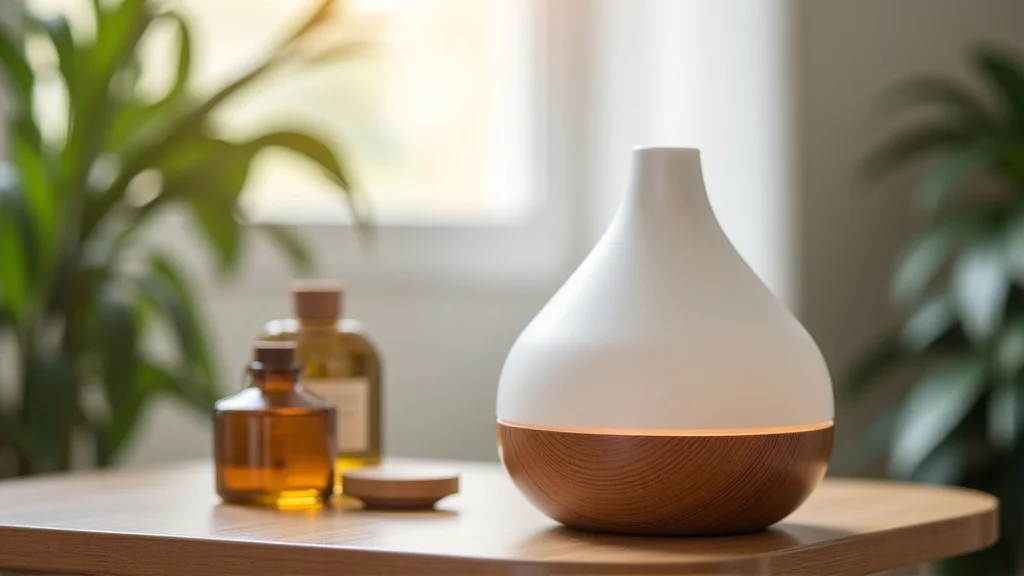
Picture this: you walk in after a long day, and instead of stress, you’re greeted by a calming fragrance. That’s the magic of aroma diffusers NZ. Maybe you’re curious about how they work, or perhaps you’re shopping for one but are unsure where to start. This post explores everything you need to know about aroma diffusers NZ, from their health benefits to choosing the right model for your space. You’ll gain practical advice to make an informed decision and create a more serene and fragrant home environment. Get ready to enhance your well-being!
Key Takeaways
- Learn about the different types of aroma diffusers and how they function.
- Discover the various health and wellness benefits associated with aromatherapy.
- Find guidance on selecting the perfect aroma diffuser for your specific needs.
- Explore essential oils and blends best suited for creating different moods.
- Understand how to care for and maintain your aroma diffuser for optimal performance.
- Gain insights on where to buy quality aroma diffusers in New Zealand.
Understanding Aroma Diffusers
Aroma diffusers are devices designed to disperse essential oils into the air, filling a room with fragrance and potentially providing therapeutic benefits. They come in various types, each utilizing a different method to diffuse the essential oils. The main goal is to create a pleasant and healthy atmosphere. Choosing the appropriate diffuser can improve mood, promote better sleep, and reduce stress levels. The effectiveness relies heavily on the type of diffuser and the oils used.
Types of Aroma Diffusers
Several kinds of aroma diffusers are available, each working differently to release essential oils. The best choice depends on your needs, preferences, and the size of your space. Some are more effective at dispersing a strong scent, while others are quieter or easier to clean. Consider what’s most important to you when comparing options.
-
Ultrasonic Diffusers: These diffusers use ultrasonic vibrations to break down essential oils and water into a fine mist. This cool mist is then released into the air. They are often quiet, energy-efficient, and can also act as humidifiers. They are great for adding moisture to the air, which can be beneficial in dry environments.
Ultrasonic diffusers are a popular choice due to their simplicity and versatility. However, since they use water, they need regular cleaning to prevent mold or bacterial growth. They are generally safe and suitable for home use, including for pets, provided you use pet-friendly essential oils.
-
Nebulizing Diffusers: Nebulizing diffusers use compressed air to atomize essential oils into a fine mist without using water. This method provides a more potent and pure scent experience. These diffusers are often considered the most effective for aromatherapy, as the oil is not diluted.
Nebulizing diffusers provide a stronger scent experience but are often noisier than ultrasonic models. They are best suited for larger spaces and require less maintenance than ultrasonic diffusers in terms of water replacement, but they often need cleaning because oil can build up. These diffusers are ideal for experienced users of essential oils who desire a robust and therapeutic experience.
-
Evaporative Diffusers: Evaporative diffusers use a fan to blow air across a pad or filter saturated with essential oils. The air then carries the scent throughout the room. These diffusers are typically less expensive but may not be as effective in larger spaces.
Evaporative diffusers are a budget-friendly option, but they tend to disperse the scent less evenly. The scent can also change over time as the essential oils evaporate. They’re a good choice if you’re experimenting with different scents or have a limited budget. Consider placing them near a vent to help spread the fragrance better.
-
Heat Diffusers: Heat diffusers use heat to warm the essential oils and release their fragrance into the air. These can be oil burners or electric diffusers. This can alter the chemical composition of the oils and reduce some therapeutic benefits.
Heat diffusers are less favored because the heat can degrade the essential oils, potentially altering their therapeutic qualities. They’re often inexpensive and can provide a strong scent, but the degradation of the oil may make them less effective for aromatherapy. If using a heat diffuser, be cautious about the heat source and placement, keeping it away from flammable materials.
Factors in Choosing a Diffuser
When selecting an aroma diffuser, there are several factors to take into account to ensure it meets your needs. Thinking about these aspects before buying can help prevent buyer’s remorse and make sure you have the best possible experience. The size of the room, the desired intensity of the scent, and any health considerations are essential.
-
Room Size: The size of the room is essential when selecting a diffuser. Smaller spaces require smaller diffusers, while larger rooms need more powerful models. Consider the square footage of the area you intend to use the diffuser in.
If you have a small bedroom or office, an ultrasonic or evaporative diffuser is often sufficient. For larger living rooms or open-plan areas, a nebulizing diffuser may be more effective. Consider the coverage area indicated on the product specifications. This information will prevent the fragrance from getting lost in the space.
-
Diffusion Method: As discussed, different diffusion methods produce varying scent intensities and benefits. Nebulizing diffusers provide the most potent scent, while ultrasonic diffusers are gentler and can also humidify the air.
Nebulizing diffusers are best for experienced users who desire a strong aromatherapy experience. Ultrasonic diffusers are an excellent all-around choice. Evaporative diffusers are budget-friendly but may not be suitable for larger spaces. The diffusion method will influence how the scent interacts with you and how you experience aromatherapy.
-
Features and Functions: Modern diffusers come with various features like timers, auto shut-off, and LED lights. These can add convenience and enhance the user experience.
Timers allow you to set the diffuser to operate for a specific period, conserving oil and energy. Auto shut-off is a safety feature that turns the diffuser off when the water level is low, preventing damage. LED lights can create a relaxing ambiance, adding to the atmosphere. Consider which of these features are important for your daily routine.
-
Maintenance: Maintenance requirements vary among diffuser types. Ultrasonic diffusers need regular cleaning to prevent mold growth, while nebulizing diffusers require occasional cleaning of the oil build-up.
Clean your diffuser regularly to keep it running effectively and prevent the build-up of residue. Ultrasonic diffusers need more frequent cleaning than nebulizing models. Refer to the manufacturer’s instructions for appropriate cleaning methods. Regular cleaning extends the life of your diffuser.
Wellness Benefits of Using Aroma Diffusers
Aroma diffusers do much more than simply make your home smell nice; they can also provide several health and well-being advantages. The effects can vary depending on the essential oils used, yet the overall experience is often relaxing and positive. Understanding the potential health benefits can help you get the most out of your aromatherapy experience.
Mental Health and Mood
Essential oils have the potential to impact your mental state and influence your mood. Certain scents have been shown to reduce stress, promote relaxation, and even help improve focus. Incorporating aromatherapy into your daily life can be a good step towards improved well-being.
-
Stress Reduction: Essential oils like lavender, chamomile, and bergamot are known for their calming effects, which can help lower stress levels.
The scent molecules interact with the brain’s limbic system, which controls emotions, influencing feelings of relaxation. Use these oils in the evening to wind down or during stressful times to promote calmness.
-
Mood Enhancement: Certain essential oils, such as citrus scents like lemon and grapefruit, can uplift mood and provide an energy boost.
Inhaling these scents can stimulate the production of serotonin and dopamine, hormones associated with happiness and well-being. Using these scents in the morning can create a positive start to your day.
-
Improved Focus and Concentration: Rosemary and peppermint essential oils are often used to improve mental clarity and concentration.
These oils can stimulate the brain, improving focus and memory. Diffuse these oils during work or study to enhance productivity.
Physical Health Advantages
Beyond mental health, aroma diffusers offer physical health benefits, ranging from improved sleep quality to respiratory support. While aromatherapy is not a substitute for medical treatment, it can be a useful tool to help your body feel better.
-
Better Sleep: Lavender, cedarwood, and sandalwood are known for their sleep-promoting properties, which may improve sleep quality.
These essential oils interact with the nervous system to relax the body and mind, making it easier to fall asleep and stay asleep. Diffuse them in your bedroom before bedtime.
-
Respiratory Support: Eucalyptus and tea tree essential oils can help clear nasal passages and ease breathing.
These oils have antiviral and antibacterial properties that can help fight off infections and soothe respiratory problems. Use them during cold and flu season.
-
Immune System Boost: Essential oils like tea tree and clove have antiviral and antibacterial properties.
The diffusion of these essential oils helps in creating an atmosphere that promotes immunity and reduces the likelihood of contracting illnesses.
Choosing Essential Oils for Your Aroma Diffuser
The selection of essential oils is a major factor in the experience you’ll have with your aroma diffuser. There are many options, from single oils to blended mixtures, each offering unique benefits and scent profiles. Understanding the different oils and their properties can enhance your experience.
Popular Essential Oils and Their Uses
Various essential oils are popular for aromatherapy, each with unique properties and applications. Some oils are best for relaxation, while others can boost energy or improve focus. Experimenting with different oils can help you find your favorites.
-
Lavender: Famous for its relaxing properties, lavender is used to reduce stress, improve sleep, and create a calming atmosphere.
Lavender’s calming effects are often used to create a soothing evening routine. You can diffuse it in your bedroom before sleep or in your living room after a tiring day.
-
Peppermint: This oil is known for its invigorating properties, helping to improve focus, reduce headaches, and boost energy.
Peppermint is an effective choice when you need a mental boost. Diffuse it while studying, working, or whenever you need to stay alert.
-
Eucalyptus: This oil is well-known for its respiratory benefits, assisting in clearing nasal passages and reducing congestion.
Eucalyptus is an excellent choice during cold and flu season. Diffuse it in the air to support easier breathing.
-
Lemon: It is known for its uplifting properties, offering mood enhancement and an energy boost.
Lemon can be a perfect choice in the morning to uplift your mood. It can also be utilized to cleanse the atmosphere and refresh the air.
-
Tea Tree: It is an oil with antibacterial and antiviral properties, helping to cleanse the air and improve immunity.
Tea tree oil is especially useful for promoting a healthy environment, particularly during cold and flu season. It can be mixed with other oils for a better experience.
Creating Essential Oil Blends
Mixing essential oils can improve the scent and increase the therapeutic benefits of your diffuser. Blending oils can create unique and layered fragrances, customizing your experience. Considering the aroma and properties of each oil is essential.
-
Understanding Scent Notes: Essential oils are classified into top, middle, and base notes. Top notes are light and evaporate quickly, middle notes provide the core scent, and base notes are long-lasting.
To create a balanced blend, mix oils from all three categories. Experiment with different combinations to discover unique and complex fragrances.
-
Blending for Mood: Combining oils can enhance your mood. For example, blend lavender and chamomile for relaxation, or lemon and peppermint for energy.
Consider your desired outcome when blending. If you want a calming effect, combine lavender with cedarwood. For an invigorating mix, combine citrus oils with a hint of peppermint.
-
Experimentation: Try different blends to see what you like best. Write down your recipes to remember your favorites.
Start with small amounts of each oil and adjust the ratios until you achieve the desired scent. It is very useful to keep a record of your successful combinations so that you can reuse them.
Caring for and Maintaining Your Aroma Diffuser
Maintaining your aroma diffuser regularly will make it last longer and continue to provide the expected benefits. Keeping your diffuser clean and in good working condition ensures it functions efficiently. Proper maintenance helps to avoid issues and guarantees the best aromatherapy experience.
Cleaning Your Diffuser
Regular cleaning is essential for keeping your diffuser in good condition. Residue from essential oils can build up, affecting how well your diffuser works. Frequent cleaning prevents mold and ensures the best scent distribution.
-
Frequency of Cleaning: Clean your diffuser after every few uses or at least once a week. If you use it daily, clean it more often.
Consistent cleaning maintains the quality of the mist and prevents the buildup of essential oil residue. Routine cleaning prevents the growth of mold or bacteria.
-
Cleaning Process: The cleaning process varies depending on the diffuser type, but generally involves rinsing and wiping down the water tank and other components.
Wipe the water tank with a soft cloth after each use. Use a cotton swab to clean hard-to-reach areas. Clean the ultrasonic disc by wiping it with a cotton swab and a small amount of vinegar.
-
Using Cleaning Agents: Use natural cleaning agents like white vinegar to clean your diffuser. Avoid harsh chemicals that can damage the plastic or contaminate the air.
White vinegar is excellent at dissolving essential oil residue and is safe for most diffusers. Dilute it with water and allow it to run through the diffuser for 15-20 minutes, then rinse thoroughly.
Long-Term Care and Maintenance
Along with regular cleaning, there are other steps to take to maintain the long-term performance of your aroma diffuser. Proper storage and handling ensure a longer lifespan. Regular maintenance extends the life of your device and ensures consistent operation.
-
Storage: When not in use, store your diffuser in a cool, dry place away from direct sunlight.
Proper storage prevents dust and other particles from entering the device. Keep the cord neatly wound and protect the diffuser from drops or bumps.
-
Water Quality: Use clean, filtered water in your diffuser to avoid mineral buildup. Hard water can clog the diffuser and reduce its effectiveness.
Filtered water minimizes mineral deposits and prolongs the lifespan of your diffuser. Using clean water is also better for your health.
-
Following Manufacturer’s Instructions: Always follow the manufacturer’s instructions for cleaning, maintenance, and usage. This can ensure optimal performance.
Each diffuser model is unique. Reading the user manual will help you understand the particular requirements of your device. Improper care can lead to damage.
Finding the Best Aroma Diffusers NZ
You can find aroma diffusers NZ in a variety of places, from specialty stores to online retailers. Knowing where to shop and what to look for will help you find a suitable product. Consider the seller’s reputation, product reviews, and customer service.
Where to Buy Aroma Diffusers
Several locations provide aroma diffusers NZ, each offering unique benefits and potential downsides. You can also explore local shops, online marketplaces, and specialist stores. Deciding where to purchase can affect your choices.
-
Specialty Stores: Specialty aromatherapy and wellness stores often offer high-quality diffusers and essential oils, along with expert advice.
These stores usually carry a wide selection of diffusers, including various brands and models. The staff is often knowledgeable about aromatherapy. You can receive guidance to make an informed choice.
-
Online Retailers: Large online marketplaces and retailers usually provide a wide variety of diffusers at different price points.
Online retailers offer convenience and ease of shopping. Read customer reviews before making a purchase. Check the return policy before you make a decision.
-
Local Shops: Local shops often have curated collections and provide personalized customer service.
Buying from a local shop supports small businesses. You can try the product before you buy, and receive advice tailored to your needs.
Factors to Consider When Purchasing
When selecting a diffuser, a few factors are important to review. These aspects will assist in making an appropriate choice and improve satisfaction with the product. Considering the cost, warranty, and customer reviews can make a positive experience.
-
Price: Aroma diffusers NZ prices range greatly. Determine your budget before you begin to shop and consider value.
Higher-priced diffusers are usually equipped with more features and better build quality. However, many affordable options are available that still perform well. Consider the benefits relative to cost.
-
Warranty: Review the warranty to ensure that your purchase is protected against any defects.
A good warranty protects you from potential issues and shows the manufacturer’s confidence in their product. Review the warranty details before you complete your purchase.
-
Customer Reviews: Customer reviews provide valuable insight into the product’s performance, durability, and user experience.
Read a variety of reviews before making your decision. Customers often share experiences that will guide your decision. Take note of both positive and negative experiences.
Common Myths Debunked
Myth 1: All Essential Oils Are the Same
Many people believe all essential oils are created equal, but that’s far from the truth. The quality and purity of essential oils can vary significantly based on their origin, extraction method, and processing. Pure, high-quality essential oils typically come from sustainably sourced plants and undergo careful extraction processes to preserve their therapeutic properties.
Myth 2: Aroma Diffusers Are Only For Aesthetics
Some people think aroma diffusers are only for creating a pleasant smell in a room, but they can be a significant part of your wellness journey. Although they certainly add to the aroma of a space, the benefits extend much further. Diffusers help reduce stress, enhance sleep, and promote overall relaxation.
Myth 3: You Can Use Any Oil in Any Diffuser
It’s a common misconception that all oils are suitable for all diffusers. The truth is that some oils, particularly thicker or resinous ones, can clog certain types of diffusers, especially nebulizing ones. Always check your diffuser’s manual, and ensure the oil is appropriate. Using the wrong kind of oil can damage your device and reduce its effectiveness.
Myth 4: Essential Oils Are Safe For Everyone
While essential oils are safe for most people when used correctly, they are not universally safe. Some oils can trigger allergic reactions or irritate sensitive skin. Pregnant women, young children, and people with certain health conditions should always consult a healthcare professional before using essential oils.
Myth 5: All Aroma Diffusers Need Regular Water Refills
While many aroma diffusers do need frequent water refills, the actual frequency can vary depending on the type of diffuser. Ultrasonic diffusers, for instance, typically need more frequent refills compared to nebulizing diffusers, which use little to no water. Always reference your diffuser’s specifications for water capacity and run times.
Frequently Asked Questions
Question: How long should I run my aroma diffuser each day?
Answer: It is advisable to operate your diffuser for 30 minutes to 1 hour, up to three times a day. This ensures you obtain the benefits without overexposure.
Question: Can I use tap water in my aroma diffuser?
Answer: It’s best to use distilled or filtered water to avoid mineral buildup. Tap water often contains minerals that can clog your diffuser.
Question: Are essential oils safe for pets?
Answer: Some essential oils are safe for pets, but others can be toxic. Research which oils are safe for your pets before use.
Question: How often should I change the water in my diffuser?
Answer: Empty and refill the water tank daily to prevent bacterial growth. Clean your diffuser regularly for optimal performance.
Question: Can I mix essential oils to create my own blends?
Answer: You can certainly create your own blends. Experiment with different oils and scents to find your favorites!
Final Thoughts
Exploring the world of aroma diffusers NZ opens doors to a calmer and more fragrant living space. From the gentle mist of an ultrasonic diffuser to the potent aroma of a nebulizing one, selecting the appropriate model for your needs is a pivotal move. The wellness advantages are many, varying from relaxation and stress reduction to improved sleep and an elevated mood. Furthermore, mastering the correct use and maintenance of these devices guarantees that you not only enjoy their benefits but also promote their longevity. Armed with the information, you are now well-equipped to purchase aroma diffusers NZ that best fits your lifestyle and preferences. Embrace the power of scent and transform your environment into a place of serenity and well-being. Enhance your daily life by investing in the soothing presence of aroma diffusers NZ.