
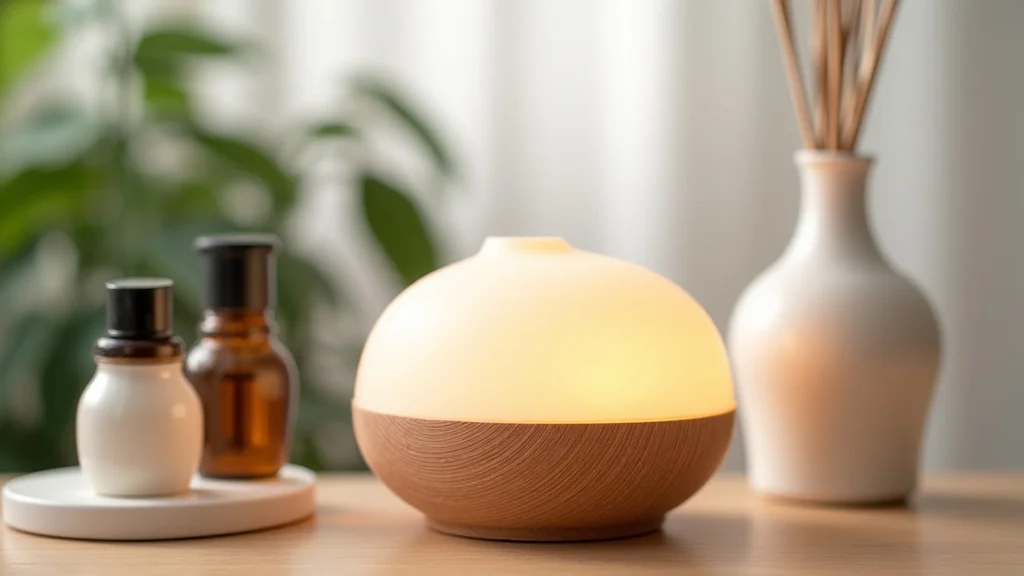
Picture this: a stressful day, deadlines looming, and a tension headache starting to throb. You walk into a room, and a gentle mist carries a calming scent. Sounds appealing, right? That’s the magic of aromatherapy diffusers! But, have you ever wondered how these devices actually transform essential oils into a fragrant, therapeutic experience? In this post, we’ll explore how these devices function, uncovering the science behind the scent and exploring the various types. You will discover the different kinds available, their benefits, and how to choose the right one for your needs, boosting your knowledge about how aromatherapy diffusers work.
Key Takeaways
- Aromatherapy diffusers use different methods to disperse essential oils into the air.
- Ultrasonic diffusers utilize vibrations to create a fine mist, preserving the oils’ integrity.
- Nebulizing diffusers provide a potent, pure scent without using water or heat.
- The type of diffuser you choose impacts the intensity and longevity of the scent.
- Regular maintenance is important for the function and durability of any diffuser.
- You can personalize your experience by selecting essential oils that match your goals.
Unveiling the Mechanics of Aromatherapy Diffusers
The essence of aromatherapy lies in delivering the therapeutic benefits of essential oils through inhalation. Aromatherapy diffusers play a vital role in this process, transforming concentrated plant extracts into an easily absorbed mist. There are several different types of diffusers available, each employing a unique mechanism to achieve the same goal: spreading the oil’s molecules into the air so they can provide benefits, allowing users to experience the intended effects. These differences impact the rate at which the oil is diffused, the scent’s intensity, and the durability of the diffuser itself. Understanding these mechanisms is key to choosing the right diffuser for your needs.
Ultrasonic Diffusion: The Gentle Mist
Ultrasonic diffusers are among the most popular. They use high-frequency vibrations to create a fine mist from a blend of water and essential oil. This method is considered gentle because it doesn’t use heat, preserving the oils’ delicate properties. The ultrasonic vibrations break down the mixture into tiny micro-particles, which are then released into the air as a cool mist. This process also adds humidity to the air, which can be beneficial in dry environments. Ultrasonic diffusers are generally quiet and easy to maintain, making them an excellent choice for bedrooms, offices, or any space where a subtle and calming atmosphere is desired.
- How It Works: An ultrasonic transducer (a small vibrating plate) rapidly vibrates, causing water and oil molecules to separate into a fine mist.
- Benefits: Preserves oil integrity, adds humidity, quiet operation.
- Maintenance: Regular cleaning to prevent mineral buildup and mold growth.
The transducer’s high-frequency vibrations are not perceivable to the human ear. The mist is then gently pushed up and out by the fan inside the diffuser. This method preserves the chemical structure of the essential oils, ensuring their therapeutic qualities are maintained during the diffusion process. The added humidity can help prevent dry skin, promoting a more comfortable atmosphere.
The primary advantage of ultrasonic diffusers is their gentleness. The absence of heat means the essential oils retain their full therapeutic benefits, allowing for a more effective and safe experience. The added humidity is a welcome feature for those living in dry climates or during winter. The operation is typically quiet, contributing to a tranquil environment.
Like any appliance, ultrasonic diffusers need regular maintenance to function optimally. Mineral deposits from hard water can accumulate over time, potentially affecting the diffuser’s performance. Cleaning the water reservoir and the transducer regularly with a soft cloth and a bit of white vinegar can keep the diffuser running smoothly. Replacing the water regularly and avoiding the use of tap water can also extend the life of your device.
Nebulizing Diffusion: Pure and Potent
Nebulizing diffusers stand out for their ability to deliver a potent and pure scent without using water or heat. These diffusers use compressed air to atomize the essential oil, breaking it down into an ultra-fine mist of tiny oil particles. This method ensures a high concentration of the oil’s active compounds, allowing for a more intense aromatic experience. Nebulizing diffusers are known for their efficiency in diffusing oils over large spaces. Because they don’t use water, they create no additional humidity, making them ideal for individuals who are in dry environments.
- How It Works: Uses compressed air to atomize the oil, breaking it down into tiny particles.
- Benefits: Intense scent, efficient for large spaces, no water needed.
- Maintenance: Requires cleaning and potential oil residue removal.
Nebulizing diffusers typically use a small, powerful air pump to force air through a fine tube, creating a vacuum that draws the essential oil up from a reservoir. This process atomizes the oil, turning it into a fine mist that’s then released into the air. This method, without the need for water or heat, ensures that the essential oil retains all of its therapeutic properties, maximizing its potential effectiveness.
Nebulizing diffusers are excellent for those seeking a strong and long-lasting scent. The absence of water and heat ensures the essential oils retain their maximum potency. They’re well-suited for larger spaces like living rooms or offices, allowing you to enjoy a concentrated dose of essential oil benefits. Also, because they do not add humidity to the air, they are great for drier environments.
Nebulizing diffusers require cleaning to remove oil residue. Since there’s no water involved, mineral buildup is not a concern; the oil particles can accumulate and clog the diffuser over time. Regular cleaning is necessary to maintain the diffuser’s performance. Cleaning typically involves disassembling the diffuser and cleaning each part using isopropyl alcohol. This ensures optimal function and extends the life of the diffuser.
Exploring Other Types of Diffusers
Besides ultrasonic and nebulizing diffusers, there are several other types designed to meet the varying needs of aromatherapy enthusiasts. These alternatives offer diverse advantages regarding scent intensity, coverage area, and ease of use. Each variety, from the straightforward heat diffusers to the fan diffusers, operates on a unique method to disperse essential oils, giving users multiple alternatives to experience the benefits of aromatherapy.
Heat Diffusion
Heat diffusers work by gently heating essential oils, causing them to evaporate and release their scent into the air. They generally use low heat, like a small bulb or a candle, to warm the oil, which sits in a small dish. Though simple and affordable, heat diffusers can impact the oil’s composition by gently altering its properties. This method can sometimes reduce the scent and potentially compromise some of the therapeutic qualities of essential oils. Heat diffusers are best used for creating a gentle aromatic experience in smaller areas.
- How It Works: Uses heat to evaporate essential oils.
- Benefits: Simple and affordable.
- Considerations: Heat can alter the chemical composition of the oils.
Heat diffusers use a heat source, often a small bulb or candle, to warm the essential oil in a dish. As the oil heats up, it evaporates, releasing its scent into the air. The degree of heat is essential; most heat diffusers are designed to operate at low temperatures to avoid damaging the oil’s chemical structure. It’s a simple process, making heat diffusers affordable and easy to use.
Heat diffusers are known for their simplicity and cost-effectiveness. Their ease of use makes them an excellent choice for people new to aromatherapy. The heat can create a gentle and pleasant aroma, suitable for creating a relaxing atmosphere. They are often used as a way to enjoy the scent of oils, as opposed to experiencing a significant therapeutic effect.
Heat diffusers are less favored because the heat can modify the chemical composition of essential oils. The high temperatures can potentially affect their therapeutic benefits. This is less ideal for anyone seeking the full therapeutic benefits of aromatherapy. Using these diffusers requires caution and constant monitoring to prevent overheating. It is critical to keep in mind that the scent can also be somewhat less powerful.
Fan Diffusion
Fan diffusers, also known as evaporative diffusers, use a fan to circulate air through a pad or filter saturated with essential oil. The air flowing over the oil-soaked pad picks up the scent and diffuses it into the surrounding environment. These diffusers are typically portable and easy to use, making them a suitable option for anyone wanting a simple way to experience aromatherapy. Fan diffusers may not diffuse as strongly as other kinds, but they are a fantastic option for a mild, easy scent experience. Moreover, they are easy to use and require minimal cleaning, which makes them convenient for everyday use.
- How It Works: A fan blows air through an oil-soaked pad or filter.
- Benefits: Portable, easy to use, no heat.
- Considerations: Scent intensity is generally lower.
The principle behind fan diffusers is relatively simple: a small fan blows air across an absorbent pad or filter that’s been saturated with essential oil. As the air passes over the pad, it picks up the scent molecules and disperses them into the air. This is a very mild approach to aromatherapy. They don’t typically use heat or water, so the oils retain their original properties.
The chief advantages of fan diffusers are their portability, simplicity, and ease of use. They are usually small and battery-operated, which makes them ideal for travel or use in small spaces. Because they use no heat, fan diffusers help the oils maintain their full therapeutic properties. They are easy to use and usually require little maintenance.
One potential drawback is the scent intensity, which is generally lower compared to other methods like nebulizing diffusers. This can be perfect for someone seeking a subtle experience, but it might not be strong enough for those wanting a more robust scent. The pad or filter must be replaced, and the diffuser may not effectively cover a large area. Replacing the pads is essential to ensuring optimum performance and hygiene.
Deciding on the Best Diffuser for Your Needs
Selecting the best diffuser needs careful consideration of several factors to ensure you choose a device that is well-suited to your needs. The choice is determined by how powerful a scent you want, the space the diffuser will be placed in, your budget, and the level of convenience you’re seeking. Understanding these characteristics will let you find a diffuser that suits your lifestyle, giving you the best aromatherapy experience.
Space and Coverage
The size of the area where you’ll be using your diffuser is a crucial factor in your decision-making process. Smaller spaces, like bedrooms or small offices, may be handled well by smaller diffusers like ultrasonic or fan diffusers. Conversely, larger rooms such as living rooms or open-plan offices will need diffusers with a larger coverage area, like nebulizing diffusers. Knowing the coverage area offered by the diffuser is critical to ensure it efficiently disperses the aroma throughout your space.
- Small Spaces: Ideal for ultrasonic or fan diffusers.
- Large Spaces: Nebulizing diffusers are better.
- Coverage Area: Check specifications for coverage in square feet.
For smaller areas, such as bedrooms, bathrooms, or small offices, ultrasonic or fan diffusers work well. Ultrasonic diffusers, with their gentle mist, are ideal for bedrooms and create a calming atmosphere. Fan diffusers are great for smaller spaces and often come in portable sizes, making them simple to use in different locations.
Nebulizing diffusers are perfect for larger spaces. These powerful diffusers can disperse essential oil throughout areas such as open-plan living rooms, lobbies, or spacious offices. Their ability to deliver a concentrated scent ensures that the whole area is filled with the beneficial aroma of essential oils.
Always check the product specifications for the diffuser’s coverage area, often listed in square feet. This number indicates the size of the area the diffuser can effectively scent. Choosing a diffuser with a coverage area that meets or exceeds your space’s size will ensure the scent is evenly dispersed and you get the best aromatherapy experience.
Scent Intensity and Longevity
The desired scent intensity is an important point to consider when choosing a diffuser. Some diffusers, such as nebulizing diffusers, deliver a potent, immediate scent, ideal for those who favor a strong aroma. Others, such as ultrasonic or fan diffusers, provide a more subtle experience, which is perfect for a gentle, all-day fragrance. You should also consider how long you want the scent to last, as this can be influenced by the type of diffuser.
- Strong Scent: Nebulizing diffusers are better.
- Subtle Scent: Ultrasonic or fan diffusers will be better.
- Diffusion Time: Nebulizing may have shorter cycles, ultrasonic longer.
If you prefer a strong and immediate scent, nebulizing diffusers will be your best option. These diffusers release a concentrated mist of essential oils, ensuring a powerful aroma that fills the room quickly. These are perfect for times when you need a fast and noticeable fragrance.
If you are looking for a gentle scent, ultrasonic or fan diffusers might be ideal. Ultrasonic diffusers produce a delicate mist, while fan diffusers provide a light and refreshing aroma, suitable for creating a subtle atmosphere. This offers a more prolonged and nuanced scent experience.
The diffusion time is also a crucial factor to think about. Nebulizing diffusers often have shorter diffusion cycles, usually lasting a couple of hours. Ultrasonic diffusers, on the other hand, can run for longer durations, giving an all-day or all-night scent. Consider how much time you desire the scent to be present when making your selection.
Maintenance and Ease of Use
The time you’re willing to dedicate to maintaining your diffuser is a vital element in your decision. Some diffusers require more frequent cleaning and maintenance than others. Nebulizing diffusers, for example, need regular cleaning because of the build-up of essential oils. Ultrasonic diffusers also need cleaning to avoid mineral buildup. The ease of use, like how easy it is to fill and operate the diffuser, is an important thing to consider to make the whole process simple.
- Ease of Filling: Consider the reservoir design and accessibility.
- Cleaning Frequency: Nebulizing diffusers need more cleaning.
- Noise Level: Ultrasonic diffusers generally quieter.
Assess the ease of filling the diffuser with water and essential oils. Some diffusers feature easy-to-access reservoirs, while others may have difficult-to-reach or complex designs. A user-friendly design helps keep the filling process straightforward and prevents spills.
Consider how much time you are prepared to spend cleaning your diffuser. Nebulizing diffusers often require more cleaning because essential oils can accumulate and clog them. Ultrasonic diffusers also need cleaning to prevent mineral build-up. Regular cleaning helps prolong the life of the diffuser and ensures efficient operation.
Some diffusers, like ultrasonic models, are known for their quiet operation, making them a great option for use in bedrooms and offices. Others may produce more noise; before purchasing, check customer reviews to ensure the diffuser meets your sound preferences and needs.
How Essential Oils Interact with Diffusers
The effectiveness of an aromatherapy diffuser heavily relies on the quality and the characteristics of the essential oils used. Different oils have different consistencies, scents, and therapeutic benefits. Knowing how essential oils behave in diffusers helps you get the most out of your aromatherapy experience. Always ensure that the oils you select are pure, high-quality, and suited for diffusion.
Oil Quality and Purity
The quality and purity of essential oils are crucial for a successful aromatherapy experience. Using low-quality or diluted oils can affect the diffuser’s performance and the therapeutic effectiveness. Pure essential oils offer the most beneficial results, ensuring a strong, consistent scent and the full advantages of aromatherapy.
- Pure Essential Oils: Ensure high-quality oils.
- Diluted Oils: Avoid, as they can reduce efficacy.
- Adulteration: Look for indicators of purity and certifications.
Always select pure, therapeutic-grade essential oils from reliable vendors. These oils are obtained through a careful process and ensure their properties are preserved. Pure oils offer the most benefits, resulting in a cleaner and more intense scent. Be certain the bottles are clearly labeled with the oil’s origin, the extraction method used, and any certificates of analysis from the supplier.
Avoid diluted essential oils, as they could impact the performance of your diffuser and lessen the therapeutic benefits. Diluted oils may contain carrier oils or synthetic fragrances, which can clog your diffuser or cause an altered scent profile. Always check the label and ingredient list carefully, and if there are any doubts about the purity, find another supplier.
Watch for signs of adulteration in your essential oils. Check for any artificial fragrances, additives, or synthetic ingredients, which can compromise the quality of the oil and negatively impact your experience. Look for certifications and reviews that confirm purity and quality. Reputable brands will often give their oils a certificate of analysis, which will show the composition and other important details.
Blending Oils
Blending essential oils lets you create tailored scent profiles to meet your specific wellness goals. By combining complementary oils, you can maximize the therapeutic effects. Learning how to blend is a fantastic way to customize your aromatherapy experience, allowing you to create scents that relax, energize, or improve your overall mood.
- Combining Oils: Experiment with scents and therapeutic properties.
- Top, Middle, and Base Notes: The key to building complex blends.
- Safety Considerations: Dilution and potential sensitivities.
Experiment with blending different essential oils to create personalized scent mixtures. For instance, you could blend lavender and chamomile to promote relaxation or combine peppermint and rosemary for an invigorating mix. When blending, begin with a small amount of each oil, and adjust the ratios until you achieve your desired scent and therapeutic outcome.
Understand the idea of top, middle, and base notes to create balanced and long-lasting blends. Top notes, like citrus oils, evaporate quickly and provide the first impression. Middle notes, such as lavender, offer the core scent and balance the blend. Base notes, like cedarwood, provide depth and lasting aroma. Combine these different notes to create intricate and enjoyable scent combinations.
Always think about safety when blending essential oils. Some people might have sensitivities to certain oils, so do a patch test before fully diffusing a new blend. Be sure to dilute essential oils correctly, following recommended dilution ratios. Research each oil for any specific cautions, and never ingest essential oils unless guided by a qualified aromatherapy professional.
Oil and Diffuser Compatibility
The right essential oils can impact the performance of your aromatherapy diffuser. Certain oils have characteristics that work better with certain types of diffusers. Always take the oils’ consistency, viscosity, and potential to clog your diffuser into account to keep your device operating smoothly and avoid damage.
- Viscosity: Thick oils can impact performance.
- Residue: Some oils can leave more residue than others.
- Oil-Specific Use: Research each oil to use appropriately.
Some essential oils, especially those with thicker consistencies, might affect the diffuser’s performance. For instance, thicker oils like sandalwood or patchouli can leave residue and clog nebulizing diffusers if you’re not careful. Consider the viscosity of the oils and clean your diffuser often to keep it running smoothly.
Certain essential oils have the potential to leave behind residue, especially in ultrasonic and nebulizing diffusers. This residue may build up over time and affect the device’s performance. For instance, citrus oils tend to leave less residue than resinous oils. Regular cleaning and wiping off any residue will prolong the life of your device.
Research the specific characteristics of the essential oils you use, and make any adjustments to suit your diffuser. Some oils may have specific guidelines or advice for best use. Know any cleaning recommendations and take care with oils prone to leaving residue. Understanding oil-specific features will help you maintain your diffuser and guarantee the most enjoyable aromatherapy experience.
Common Myths Debunked
Myth 1: All diffusers are the same.
In reality, diffusers vary greatly based on their methods of operation, scent output, and maintenance requirements. Ultrasonic, nebulizing, and heat diffusers all provide various experiences. Knowing these variations helps you choose the best device for your individual needs and scent preferences. Considering the kind of space you plan to use, your preferred intensity, and the maintenance you’re prepared to do, makes it possible to choose the ideal diffuser for your needs.
Myth 2: Essential oils are safe for everyone.
The truth is, while essential oils provide many benefits, they are not universally safe. Some oils can trigger allergic reactions or sensitivities. Children, pregnant women, and people with specific medical conditions should exercise caution and consult a healthcare professional before use. Proper dilution and the use of high-quality oils can lessen these dangers, but awareness and responsible use are key to a safe experience.
Myth 3: More essential oil equals better results.
The use of more essential oil does not automatically increase the effectiveness of aromatherapy. Overuse can cause saturation and potential side effects, such as headaches or skin irritation. Using the suggested amounts, as indicated by the diffuser and the oil’s instructions, guarantees a balanced experience and enhances the therapeutic advantages. Stick with the recommended concentration and allow your body to naturally enjoy the aroma, rather than overloading the sensory system.
Myth 4: Essential oils cure medical conditions.
Essential oils are often utilized for wellness and well-being, but they are not a
Myth 5: All diffusers add moisture to the air.
Not all aromatherapy diffusers release moisture into the air. Ultrasonic diffusers release a fine mist by combining essential oils with water. Nebulizing diffusers, however, do not require water. They atomize essential oils directly into the air. If you’re looking for a humidifier, an ultrasonic diffuser will function well. However, if you are not seeking to change the humidity levels in the room, consider the nebulizing options.
Frequently Asked Questions
Question: How often should I clean my aromatherapy diffuser?
Answer: Clean your diffuser based on the type. Ultrasonic diffusers should be cleaned once or twice a week, while nebulizing diffusers might require more frequent cleaning. Always follow the manufacturer’s recommendations.
Question: Can I use tap water in my diffuser?
Answer: It’s generally better to use distilled or filtered water in your diffuser to avoid mineral buildup. Tap water can contain minerals that accumulate and may affect the diffuser’s function.
Question: How long should I run my aromatherapy diffuser?
Answer: The duration for running your diffuser is variable, depending on your needs, the essential oils used, and the sort of diffuser. Many individuals enjoy running it for 30–60 minutes at a time, with breaks in between.
Question: Are essential oils safe for pets?
Answer: Some essential oils are unsafe for pets. Always seek guidance from a veterinarian before using essential oils around animals. Certain oils may be harmful, so use care and research the oils before using them.
Question: What’s the best way to clean up an essential oil spill?
Answer: Immediately wipe up the spill using a clean cloth or paper towels. If the oil is on a porous surface, you might need to use baking soda to absorb it. Dispose of the used materials correctly and ventilate the area.
Final Thoughts
Aromatherapy diffusers offer a simple way to experience the benefits of essential oils, transforming your space into a sanctuary of scent and well-being. Understanding how aromatherapy diffusers work—from the gentle mist of ultrasonic models to the potent aroma of nebulizing devices—allows you to select the best choice to suit your requirements. Whether it’s the calming atmosphere of lavender or the revitalizing zest of citrus, the possibilities are endless. By selecting the right diffuser, carefully using high-quality oils, and practicing correct maintenance, you can begin the journey of aromatherapy. Create a personal experience by experimenting with blends and find your path to relaxation and peace. Explore the varied world of aromas, and see how aromatherapy can enhance your daily life.